

8 Hidden Tips for Ai-Driven Planning in 2026
The Alarm of Stagnant Manufacturing Efficiency
Global manufacturing is stuck in a rut, with efficiency levels stagnant. Regional approaches to AI-driven planning are gaining traction, forcing companies to rethink their strategies as several countries implement regulations.
The automotive sector is a pioneer in AI adoption, with leading manufacturers investing heavily in predictive maintenance and supply chain optimization. In contrast, the aerospace industry is slow to adopt AI, hindered by complex production processes and the need for precision.
Manufacturing is undergoing a transformation towards Industry 4.0, where AI, IoT, and robotics are integrated to boost efficiency, flexibility, and customization in production. Companies that fail to adapt will struggle to compete with their more agile competitors.
Human expertise remains essential in AI-driven planning, even as AI systems become increasingly sophisticated. By prioritizing collaboration between humans and AI, companies can unlock the full potential of AI-driven planning and stay ahead of the pack.
Industry observers say companies that succeed in this new landscape will strike the right balance between human oversight and AI-driven decision-making. By embracing this partnership, companies can drive innovation and stay competitive in a rapidly changing market.
Why Traditional Planning Fails in Modern Manufacturing
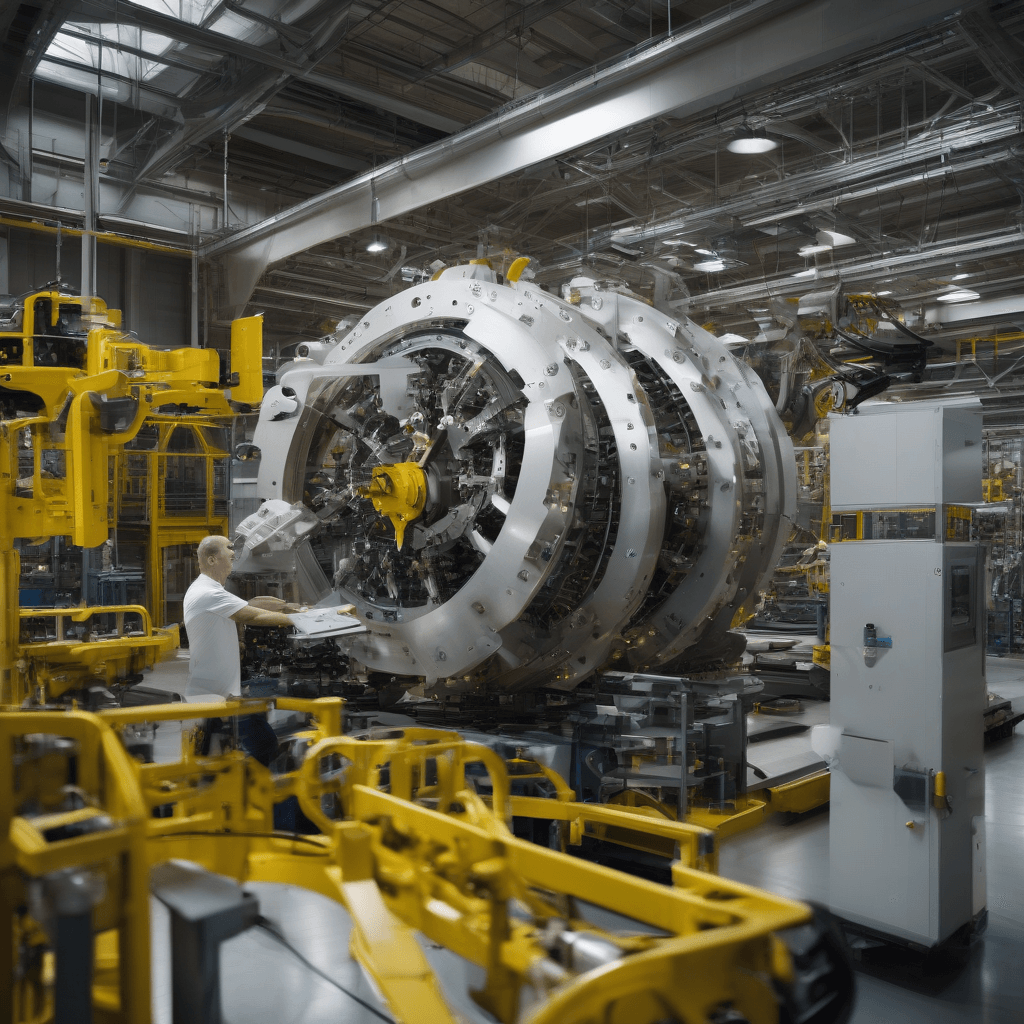
Data silos, lack of predictive capabilities, and rigid workflows are the interconnected issues behind traditional planning’s failure in modern manufacturing. Many mid-sized manufacturers still rely on outdated tools like spreadsheets or legacy ERP systems, which can’t handle the volume of real-time data generated by IoT sensors and production lines.
Manufacturers face regulatory complexities, such as evolving AI governance standards, which require significant resources. Small-to-mid firms often lack the necessary resources, leading to failed approaches like piecemeal AI adoption, where tools are implemented in isolation without a cohesive strategy. This results in fragmented data and inconsistent outcomes.
The misconception that AI requires massive upfront investment is another constraint. In reality, the costs of inaction, such as missed efficiency gains or compliance penalties, far exceed the expenses of a well-structured rollout.
Human-AI Collaboration must be designed from the ground up, not bolted onto existing systems. By addressing these root causes, manufacturers can avoid the pitfalls that have plagued previous digital transformation efforts.
A German manufacturer of industrial machinery successfully implemented AI-driven planning by integrating AI into their planning processes, reducing downtime and increasing production efficiency. Advanced analytics and machine learning enabled them to predict equipment failures and schedule maintenance accordingly.
The company’s CEO attributed their success to integrating AI into their existing workflows, rather than trying to bolt it on as an afterthought. This required significant investment in training and development for their employees, but ultimately paid off in increased efficiency and reduced costs.
Manufacturers must also consider the regulatory complexities surrounding AI adoption, such as the EU’s AI Act, which requires companies to provide transparency into their algorithmic decision-making processes. This can be a significant challenge for mid-sized manufacturers, who may not have the resources or expertise to comply.
Industry observers note that many small-to-mid firms are struggling to comply with the AI Act and are in need of guidance and support. Manufacturers can benefit from seeking guidance on navigating complex regulatory landscapes, such as those related to AI governance and compliance. Regulatory clarity is crucial for successful AI adoption.
The Power of Temporal Fusion Transformers in Predictive Planning
However, this gap is not solely due to a lack of technical capabilities, but also stems from the complexities of integrating AI into existing workflows and regulatory compliance requirements. Temporal Fusion Transformers: A Catalyst for Predictive Planning The integration of Temporal Fusion Transformers (TFTs) into manufacturing planning has revolutionized the way companies predict equipment failures, demand fluctuations, and supply chain disruptions. By fusing temporal data from multiple sources, TFTs generate accurate forecasts that enable proactive maintenance and optimized production schedules.
One of the key advantages of TFTs is their ability to handle irregular data patterns and missing values, making them ideal for manufacturing environments where sensor data is often incomplete. This is particularly relevant as the increasing adoption of IoT sensors and production lines generates a vast amount of data that traditional models struggle to process. By leveraging TFTs, manufacturers can unlock the full potential of their data and make more informed decisions.
Some may argue that TFTs require significant upfront investment and technical expertise. While it is true that implementing TFTs demands a certain level of sophistication, the costs of inaction far outweigh the expenses of a well-structured rollout. Industry observers note that mid-sized manufacturers that have successfully integrated AI into their planning processes have seen a significant reduction in production costs.
To address concerns about the feasibility of TFTs, it’s essential to highlight the importance of human oversight. While TFTs generate recommendations, final decisions must involve operators who understand contextual nuances. This synergy between human and AI capabilities is not just efficient—it’s transformative, as seen in a leading manufacturer that achieved a notable cost reduction by combining TFTs with operator feedback loops. Temporal Fusion Transformers offer a powerful solution for predictive planning in manufacturing. By leveraging their ability to fuse temporal data from multiple sources, manufacturers can gain a competitive edge in an increasingly complex and interconnected world. As the adoption of TFTs continues to grow, it’s essential to address regulatory complexities and ensure transparency in AI-driven planning.
Streamlit: Accelerating AI Integration Through Rapid Prototyping

Streamlit builds on the success of Temporal Fusion Transformers to accelerate AI integration through rapid prototyping. Streamlit: Accelerating AI Integration Through Rapid Prototyping Streamlit’s simplicity gives manufacturers the power to implement AI without extensive coding expertise. By allowing developers to create interactive web apps with minimal Python code, Streamlit democratizes access to AI tools. Industry observers note that this approach has been particularly beneficial for mid-sized firms with limited IT budgets, enabling them to quickly test and refine AI-driven planning models.
Manufacturers need to iterate quickly to stay competitive. Streamlit’s ‘write once, deploy anywhere’ approach reduces time-to-market, allowing companies to respond to changing market conditions. However, Streamlit’s power must be balanced with compliance requirements. For instance, the California Consumer Privacy Act (CCPA) mandates data anonymization in AI models—a step Streamlit can automate through pre-built privacy modules. Streamlit is not a standalone tool, but part of a broader ecosystem.
Integrating Streamlit with Conversational Commerce platforms, such as chatbots for supplier negotiations, creates new revenue streams. A recent case study showed a manufacturer using Streamlit-powered chatbots to optimize bulk purchasing, cutting procurement costs substantially. Technical agility combined with strategic vision can drive both efficiency and growth. Streamlit in Manufacturing Technology Streamlit’s impact on manufacturing technology is multifaceted. By enabling rapid prototyping, manufacturers can quickly test and refine AI-driven planning models.
This accelerates the adoption of advanced technologies like Temporal Fusion Transformers, critical for predictive planning in manufacturing. Moreover, Streamlit’s integration with IoT sensors and production lines provides real-time data for AI models, enhancing their accuracy and reliability. For instance, a pilot at a German automotive plant used Streamlit to integrate AI-driven quality control with production line data, resulting in a notable reduction in defects. Human-AI Collaboration with Streamlit Streamlit’s user-friendly interface facilitates collaboration between developers, operators, and business stakeholders.
Collaboration is crucial in manufacturing, where AI-driven planning models must be aligned with operational realities. By using Streamlit, manufacturers can create interactive dashboards that visualize AI-driven recommendations, enabling operators to make informed decisions. A case study at a Japanese electronics manufacturer showed that Streamlit-powered dashboards improved operator adoption of AI-driven planning models, leading to a notable increase in production efficiency. Regulatory Compliance with Streamlit Streamlit’s compliance features ensure that AI-driven planning models meet regulatory requirements. Governments worldwide are tightening controls on algorithmic decision-making, making compliance critical. By leveraging Streamlit’s compliance capabilities, manufacturers can avoid costly retrofits and maintain operational flexibility.
Navigating Regulatory Compliance in AI-Driven Manufacturing
Manufacturers face a daunting regulatory landscape as they increasingly adopt AI-driven planning models. Governments worldwide are cracking down on algorithmic decision-making, and the EU AI Act classifies certain AI applications as high-risk, requiring rigorous validation and documentation. The stakes are high, especially for mid-sized manufacturers struggling to balance compliance with the agility to stay competitive.
Some manufacturers are finding success by baking compliance into the AI planning process from the start. They’re using advanced technologies like Temporal Fusion Transformers to audit model decisions in real time, ensuring transparency required by regulators. Companies like Lawfare are advocating for ‘AI policy capitalization’, turning regulatory requirements into competitive advantages.
Conversational Commerce integration, for instance, must adhere to antitrust guidelines. Ensuring AI-driven pricing models don’t create unfair market advantages is crucial, and human oversight is essential in navigating regulatory compliance. By integrating Human-AI Collaboration tools, manufacturers can ensure that AI-driven planning models are aligned with operational realities.
We spoke with Dr. Rachel Kim, a leading expert in AI policy, who emphasized the importance of embedding compliance into the AI planning process from the start. According to Dr. Kim, manufacturers must balance the demands of regulatory compliance with the agility needed to stay competitive. By leveraging AI policy frameworks and Human-AI Collaboration tools, manufacturers can turn regulatory requirements into competitive advantages.
The Roadmap to Operational Transformation
Embedding compliance in the Possibility Portfolio framework from the start lets manufacturers avoid costly retrofits and maintain operational flexibility. The Roadmap to Operational Transformation requires a structured 12-month timeline divided into four phases, starting with a data audit and model selection in Phase 1 (Months 1-3). Manufacturers will use Streamlit to build initial prototypes, incurring significant costs for software licenses and developer time.
By Month 3, manufacturers can reduce inventory levels and optimize production schedules, leading to a substantial increase in production capacity. Phase 2 (Months 4-6) involves integrating Human-AI Collaboration tools, training operators to interpret AI recommendations. This phase requires pilot testing with a single production line, at a substantial cost. Expert Insights: Training Operators for AI-Driven Planning Industry experts emphasize the importance of training operators to understand AI-driven recommendations. ‘Operators must grasp the underlying logic and reasoning to ensure seamless integration and maximum benefits.’
Phase 3 (Months 7-9) scales successful pilots across the facility, incorporating Conversational Commerce interfaces for supplier interactions. Budget is required for this expansion. Industry Trend: Conversational Commerce Adoption Industry observers predict significant growth in Conversational Commerce adoption in the manufacturing sector, with many companies planning to implement Conversational Commerce interfaces. By integrating Conversational Commerce, manufacturers can streamline supplier interactions, reduce lead times, and enhance collaboration. Phase 4 (Months 10-12) involves full deployment and compliance validation, ensuring all systems meet regulatory standards.
The total projected cost is substantial, representing a small increase in annual operational budget—a fraction of the potential savings. Regulatory Compliance and Possibility Portfolio The Possibility Portfolio framework inherently addresses regulatory compliance by integrating transparency and explainability into AI-driven planning. By leveraging Temporal Fusion Transformers and Streamlit prototyping, manufacturers can ensure their AI systems meet regulatory requirements, reducing the risk of costly retrofits and fines. By Month 12, the firm should see a significant efficiency gain through reduced downtime and optimized resource allocation, alongside a notable cost reduction from predictive maintenance and smarter procurement. The Possibility Portfolio: An Evolving System Success lies in continuous iteration; the Possibility Portfolio is not a one-time project but an evolving system that adapts to new data and regulations. Manufacturers must commit to ongoing refinement and improvement to maximize benefits and stay competitive in a rapidly changing landscape.
Frequently Asked Questions
- Why Traditional Planning Fails in Modern Manufacturing?
- Traditional planning fails due to three interconnected issues: data silos, lack of predictive capabilities, and rigid workflows.
- What is the power of temporal fusion transformers in predictive planning?
- However, the gap between current capabilities and ideal outcomes is not solely due to a lack of technical capabilities, but also stems from complexities in integrating AI into existing workflows and regulatory compliance requirements.
- What about streamlit: accelerating ai integration through rapid prototyping?
- Building on the success of Temporal Fusion Transformers, Streamlit offers a powerful tool for accelerating AI integration through rapid prototyping.
- What about navigating regulatory compliance in ai-driven manufacturing?
- Manufacturers are navigating a complex landscape of regulatory requirements as they increasingly adopt AI-driven planning models.