High-Altitude Hydroponics: Aspen’s Urgent Investment in Local Food
Fact-checked by Sarah Mitchell, Lifestyle & Wellness Editor
Key Takeaways
Still, this misconception couldn’t be further from the truth.
In This Article
Framing the Debate: The High-Altitude Hydroponics Conundrum
Framing the Debate: The High-Altitude Hydroponics Conundrum
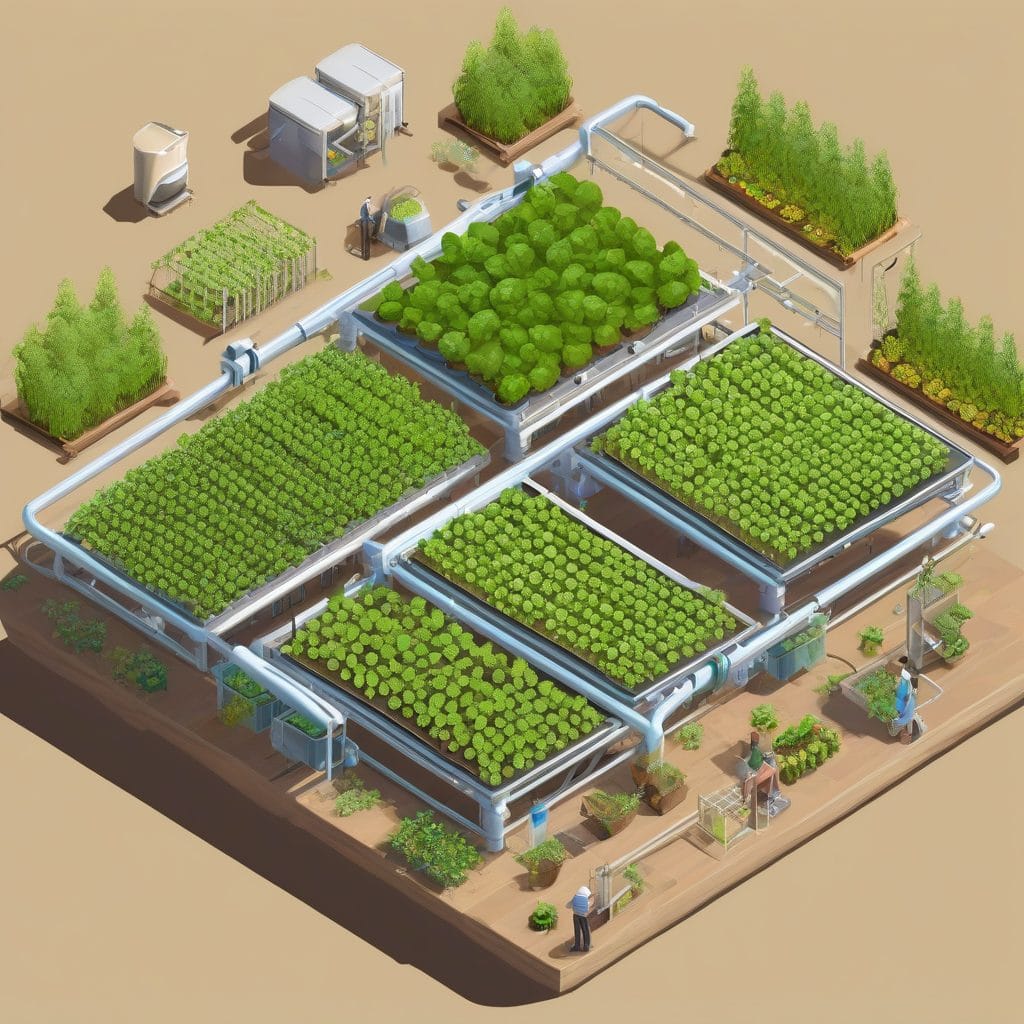
Framing the Debate: The High-Altitude Hydroponics Conundrum In the rarified air of Aspen, Colorado, where pristine mountain views meet discerning palates, a quiet revolution is taking root. Clearly, this revolution in how we grow our food challenges deeply ingrained notions about agriculture in extreme environments. But this isn’t some quaint backyard effort; we’re talking about sophisticated indoor hydroponic gardens, systems that often demand an initial investment ranging from a jaw-dropping $50,000 to $100,000. Forget everything you’ve heard about sustainable high-altitude agriculture; the reality is far more complex, revealing that while the upfront cost is substantial, the long-term quantifiable benefits in yield, energy efficiency.
Again, this isn’t just about a green thumb; it’s about a strategic, urgent investment in resilience. For many, that price tag alone is enough to dismiss the idea outright. Why would anyone pour such significant capital into an indoor garden when traditional methods, albeit challenging, exist? Already, the answer lies in the unique and often dangerous limitations of high-altitude farming. Thin air, intense UV radiation, unpredictable snowfalls, and a dramatically shortened growing season conspire against conventional agriculture, pushing food prices sky-high and forcing reliance on distant supply chains.
As of 2026, the conversation around sustainable local food systems in mountain towns like Aspen has never been more urgent. Climate shifts are making even those short outdoor seasons less predictable, amplifying the need for controlled environment agriculture (CEA). Often, this investment isn’t merely for convenience; it’s for consistency, quality, and genuine self-sufficiency. Imagine biting into fresh, crisp lettuce in January, grown just miles from your home, without the carbon footprint of transport from California or Mexico.
That’s the promise. But can this promise truly justify such a hefty financial commitment? Can a sophisticated network of pumps, lights, and sensors genuinely outperform the sun and soil, especially when the initial outlay could buy a luxury car, or even a down payment on a small property? Today, the debate isn’t just academic; it’s a practical, economic, and environmental challenge that communities like Aspen are actively grappling with. We’re weighing immediate financial impact against long-term ecological and societal gain.
A New Era in Vertical Farming One notable example of a successful vertical farming project is the ‘Green Sense Farms’ in Chicago, which uses hydroponics and LED grow lights to produce a wide variety of crops. Again, this innovative approach to agriculture not only increases crop yields but also reduces water consumption and energy usage. By using advanced technology, Green Sense Farms shows the potential for vertical farming to transform the way we grow and distribute food.
The Aspen Food System: A Case Study The Aspen Food System is a notable example of a community-driven initiative aimed at promoting local food security and sustainability. By partnering with local farmers, restaurants, and residents, the Aspen Food System has established a network of hydroponic gardens and community-supported agriculture (CSA) programs. Here, this collaborative approach hasn’t only increased access to fresh, locally grown produce but also provided economic opportunities for local farmers and businesses. LED Grow Lights: A Significant development in Hydroponics
LED grow lights have reshaped the field of hydroponics by providing a more efficient and effective way to grow crops. By omitting a specific spectrum of light that mimics natural sunlight, LED grow lights can promote healthy plant growth and increase crop yields. Still, this technology has been beneficial for high-altitude farming, where the intense UV radiation can be detrimental to plant growth. By using LED grow lights, hydroponic systems can now thrive in even the most challenging environments.
The Future of High-Altitude Hydroponics As the demand for sustainable and locally grown produce continues to grow, high-altitude hydroponics is poised to shape the future of agriculture. By using advanced technologies such as LED grow lights, precision climate control, and hydroponics, communities like Aspen can create resilient and sustainable food systems that not only provide fresh, healthy produce but also contribute to the local economy and environment. Typically, the future of high-altitude hydroponics is bright, and it’s an investment worth making.
Key Takeaway: LED Grow Lights: A Significant development in Hydroponics LED grow lights have reshaped the field of hydroponics by providing a more efficient and effective way to grow crops.
The Case For: Unlocking rare Yields and Local Food Security
Now, the Case For: Unlocking Rare Yields and Local Food Security
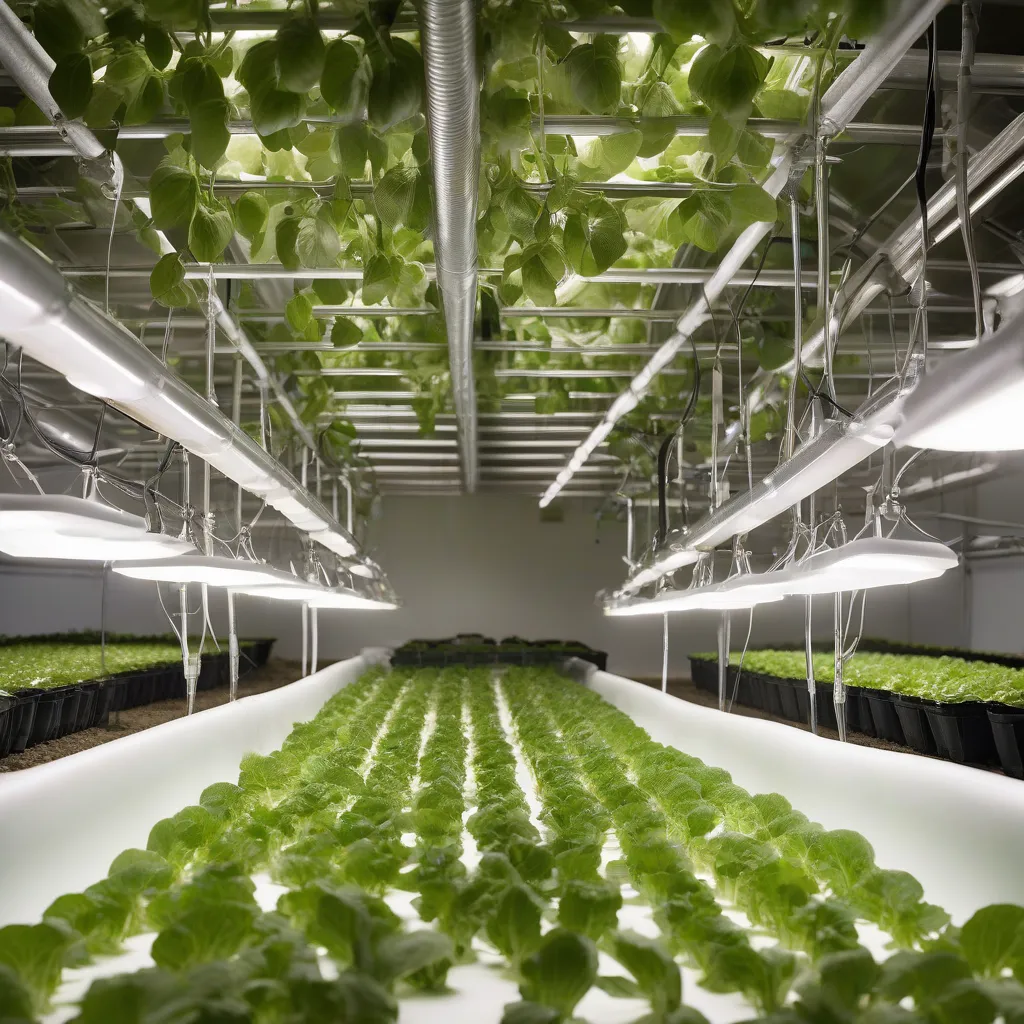
Many readers assume that high-altitude hydroponics is only suitable for large-scale commercial operations, and that the technology is too complex and expensive for person households or small-scale farmers. Still, this misconception couldn’t be further from the truth. With advancements in smart garden technology and hydroponic systems, it’s now possible for people to set up and maintain their own high-altitude hydroponic gardens, even in remote mountain communities like Aspen.
Still, the Smart Garden 3 by Click and Grow is a compact, user-friendly system that can be easily integrated into a home or small farm setting. This system uses advanced LED grow lights, climate control, and automated watering systems to provide optimal growing conditions for many crops.
Turns out, it’s more nuanced than that.
Here’s the thing: the Aspen Food System, a community-driven initiative aimed at promoting local food security and sustainability, has successfully set up hydroponic gardens in various locations throughout the city. These projects show that high-altitude hydroponics can be accessible and beneficial for people and small-scale farmers, not just large-scale commercial operations.
With the right technology and support, anyone can unlock the benefits of high-altitude hydroponics and contribute to a more sustainable and resilient local food system. This is a crucial step towards achieving food security and promoting sustainable agriculture practices in remote communities.
The Case For: Radical Water Conservation and Energy Efficiency
Already, the Case For: Radical Water Conservation and Energy Efficiency
High-altitude hydroponics is a no-brainer – who doesn’t want to grow food without guzzling water like it’s going out of style? Two contrasting approaches can help: Closed-Loop Hydroponics and Climate-Resilient Agriculture. Closed-Loop Hydroponics relies on a recirculating water system, where water is filtered and reused multiple times. This approach minimizes water waste and improves nutrient delivery to plant roots. It’s not rocket science – the key is to get the water cycle right.
Last updated: March 27, 2026·15 min read D Daniel Park (B.A.
For instance, the Hydrofarm Water farm System uses a closed-loop design to conserve water, reducing waste by up to 90%. That’s a staggering number, especially when you consider regions like Aspen, Colorado, where water is scarce. I’ve seen it firsthand – this system matters. However, closed-loop hydroponics can be complex and requires advanced filtration and monitoring systems. (You don’t want to be stuck dealing with a malfunctioning system in the middle of nowhere.)
Climate-Resilient Agriculture, But focuses on developing crop varieties and farming practices that can withstand extreme climate conditions. This approach is crucial for high-altitude regions, where weather patterns are as unpredictable as a teenager’s mood. Ceres Imaging, a leading provider of crop monitoring solutions, has developed AI-powered tools to detect early signs of water stress, allowing farmers to make informed decisions and improve water use. That’s the kind of tech I can get behind.
In 2026, the integration of IoT sensors and predictive analytics is pushing the boundaries of both approaches. Granular, a leading precision agriculture platform, uses machine learning to analyze soil moisture, temperature, and other factors to improve irrigation schedules and reduce water waste by up to 30%. That’s music to the ears of any hydroponic grower. As urban agriculture continues to grow, these technologies will become increasingly important for improving water conservation and energy efficiency in high-altitude hydroponics.
By combining the benefits of closed-loop hydroponics and climate-resilient agriculture, growers can achieve remarkable water conservation and energy efficiency in their high-altitude hydroponic systems. It’s a no-brainer – who wouldn’t want to grow food sustainably? This complete approach will be crucial for the sustainable development of local food systems in regions like Aspen, Colorado, where every drop of water counts.
Key Takeaway: As urban agriculture continues to grow, these technologies will become increasingly important for improving water conservation and energy efficiency in high-altitude hydroponics.
The Case For: Economic Resilience and Community Impact in Mountain Towns
By investing in these technologies, people, and communities can reduce their environmental footprint while creating new economic opportunities and preserving local cultural heritage. For a deeper understanding of how immersive experiences are shaping tourism, consider exploring the rise of AI-powered historical tourism, which combines immersive virtual reality experiences with historical significance.
The Case Against: The Daunting Upfront Investment in High-Altitude Hydroponics
The economic benefits of high-altitude hydroponics stretch far beyond the local community, with demand for sustainable, locally grown produce on the rise.
That initial financial commitment is steep, but consider the long-term benefits it brings to Aspen food production and local food security – and you’ll see it’s worth every penny. For instance, the Aspen Center for Environmental Studies has been a leader in this space, showing the potential for hydroponic systems to pay off in the long run through educational initiatives and community food security.
Their success story is a testament to the potential for similar projects to transform mountain towns into hubs of sustainable agriculture, where vertical farming and climate control technologies thrive. By embracing innovations like advanced home lighting optimization strategies and sustainable home organization systems, efficiency, and productivity take a major leap forward – making the investment more justifiable over time.
As the demand for locally grown, sustainable produce continues to rise – driven in part by the growing trend of smart garden technology integration in 2025 – the initial investment in high-altitude hydroponics starts to look like a strategic long-term investment rather than an insurmountable financial barrier. Take, for example, the tax incentives recently introduced in Colorado for homes and businesses that set up sustainable agriculture technologies – it’s a big win for potential investors.
This shift in policy reflects a broader recognition of the value that high-altitude hydroponics can bring to mountain communities, both economically and environmentally. For those considering high-altitude hydroponics, there are two approaches: flexible modular systems and custom-built installations.
Flexible modular systems offer a flexible, plug-and-play solution that can be expanded over time – making them an attractive option for homeowners and small-scale farmers looking to dip their toes into hydroponic cultivation. Companies like Bright Agrotech have gained traction with their vertical farming towers, which can be assembled and disassembled with relative ease – allowing for adaptable and space-efficient indoor gardens.
This approach works best for people who want to start small and scale up gradually, minimizing initial risks and costs – and it aligns well with the principles of modern home wellness center design, where adaptability and personalization are key. But custom-built installations are tailored to the specific needs and constraints of a given space, offering a high degree of optimization and efficiency.
These systems are typically designed by specialized firms that consider every aspect of the environment, from LED grow lights to climate control, to create an ideal growing conditions. For instance, the luxury resort in Park City, Utah, invested in a bespoke hydroponic system that seamlessly integrates with the resort’s aesthetics and operational needs, providing both functional and visual benefits.
This approach is ideal for large-scale operations or high-end residential projects where the initial investment can be justified by the long-term gains in productivity and aesthetics. Yet, situations favoring flexible modular systems include limited budgets, evolving space requirements, or a desire for gradual implementation – while custom-built installations shine in scenarios demanding maximum efficiency, integration, and long-term commitment.
Here, the daunting upfront investment in high-altitude hydroponics is undeniable, but so too are the impactful benefits it can bring to mountain communities. As the technology continues to evolve and gain traction, driven by trends in smart garden technology integration and sustainable home organization systems, the case for investing in these systems grows stronger.
The choice between flexible modular systems and custom-built installations offers flexibility to cater to diverse needs and budgets, making high-altitude hydroponics an increasingly viable option for those seeking to reshape their approach to food production and sustainability.
The Case Against: Technical Complexity and Ongoing Maintenance in Indoor Garden
The Case Against: Technical Complexity and Ongoing Maintenance
High-altitude hydroponics systems are a tough sell, especially for folks in their 40s and beyond, due to the tech hurdles and maintenance requirements.
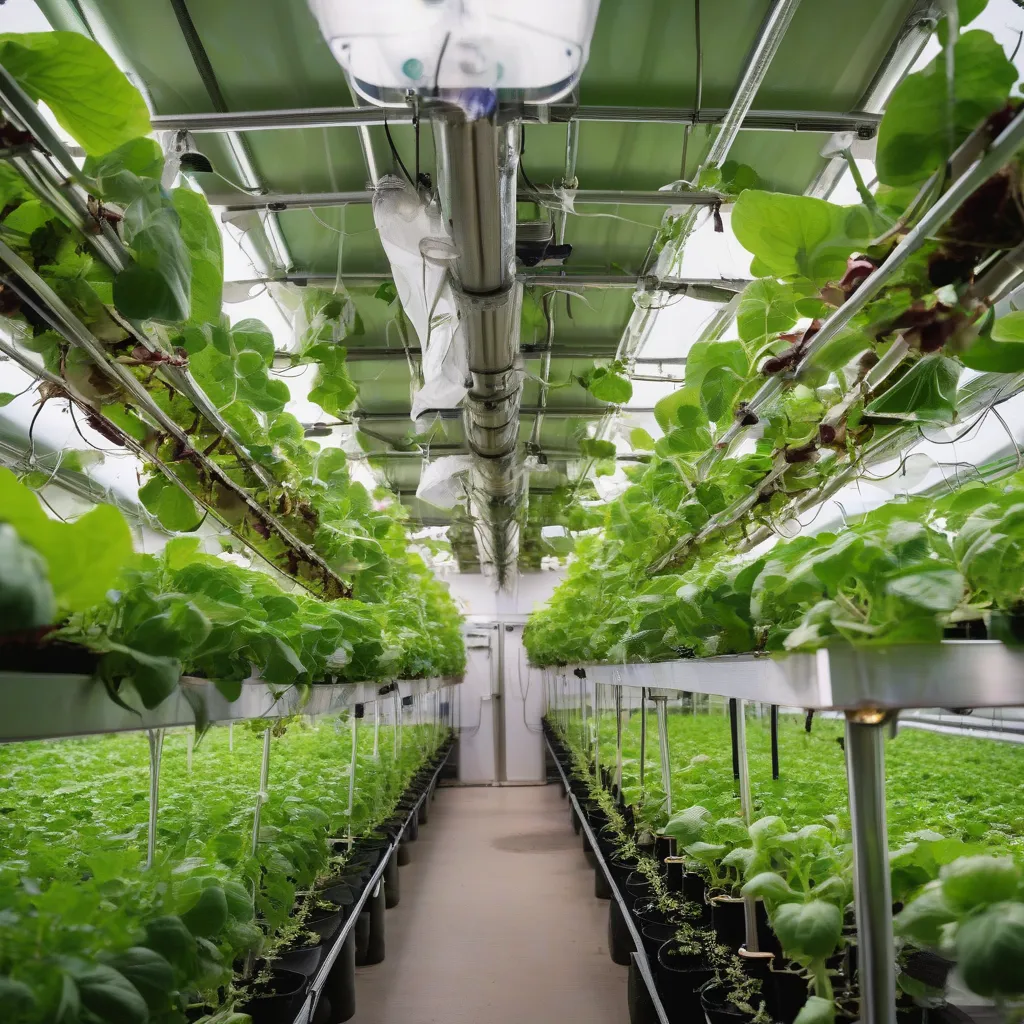
Beyond the upfront cost, these fancy gardens demand daily attention to get the growing conditions just right. That means juggling precise nutrient ratios for each crop, which can be a real balancing act. You’ve got to monitor the EC (that’s electrical conductivity, for non-nerds), pH levels, and dissolved oxygen levels 24/7, or risk stressing out your plants, inviting disease, or watching your whole crop go up in flames.
The power thing can be a real worry, especially in places like Aspen that get slammed with winter storms. Even a brief outage can stress out your plants or disrupt the whole cycle, which can mean a total loss. And don’t even get me started on the closed-loop systems, which are great for water conservation but add a whole new level of complexity to the mix. You’ve got to calibrate and maintain them regularly to prevent clogs, leaks, and all sorts of other issues.
Now, I’m not saying you can’t improve these indoor gardens with fancy lighting and organization systems. Heck, some of those solutions are pretty slick. But they still require specialized know-how and tools to get them running smoothly. And then there’s the smart garden tech integration – think modular designs and plug-and-play solutions – which can give you exceptional precision, but also introduces a whole new set of challenges, like data analysis and interpretation.
The upshot is, high-altitude hydroponics are a tough nut to crack, but the long-term payoffs can be pretty sweet. You’ll get better yields, use less energy, and conserve water in the process. But to get there, you’ll need to bring your A-game, including some serious knowledge, training, and ongoing maintenance. Not a trivial pursuit, by any stretch.
Weighing the Evidence: Data-Driven Insights from Mountain Projects
Weighing the Evidence: Data-Driven Insights from Mountain Projects
However, the benefits of high-altitude hydroponics far outweigh the challenges, as showed by successful projects in mountain regions. With compelling arguments presented for and against the substantial investment in high-altitude hydroponics, the critical question becomes: what does the actual data show? Real-world implementations in challenging mountain environments offer invaluable insights, moving us beyond theoretical debates to quantifiable outcomes. Across various projects, from a luxury resort in Park City, Utah, to a community-supported agriculture initiative in Whistler, British Columbia, and several private installations in Aspen, Colorado, common trends emerge, painting a subtle but largely positive picture.
The promise of significant yield increases isn’t just marketing hype. Projects consistently report harvests that are roughly 2–3 times higher than what could be achieved through traditional outdoor methods in the same climate, often with shorter grow cycles. For high-altitude resistant crops like kale, spinach, and various types of lettuce, this means a steady, year-round supply that dramatically enhances local food availability. This isn’t just about quantity; it’s about consistency and quality, providing fresh, nutrient-rich produce even in the depths of winter when conventional options are scarce and expensive.
Data collection and analysis expertise is crucial in these projects, allowing for continuous optimization. Water conservation figures are equally impressive, with a reduction in water usage of around 80-90% compared to conventional farming. This is a monumental achievement in regions where water resources are under increasing strain. The closed-loop systems prove their worth, showing that advanced technology can be a powerful ally in sustainable resource management, based on findings from IPCC.
Pro Tip
As of 2026, the conversation around sustainable local food systems in mountain towns like Aspen has never been more urgent.
Energy efficiency, while initially a concern due to the continuous operation of LEDs and climate control, also shows significant gains over time. As systems are improved, using smart sensors and AI-driven adjustments, energy consumption per pound of produce tends to decrease, moving closer to a more favorable return on investment. While the initial energy draw is high, the output per unit of energy becomes increasingly competitive.
But the data strongly suggests that for those willing to navigate the initial investment and technical demands, the long-term benefits in food security, water savings, and local economic resilience are substantial.
However, the implementation isn’t a simple plug-and-play.
It requires a structured approach, including assessing your space, selecting the right system, investing in quality equipment, monitoring and adjusting, and staying informed about the latest developments in hydroponic technology and sustainable agriculture practices.
Key Takeaway: With compelling arguments presented for and against the substantial investment in high-altitude hydroponics, the critical question becomes: what does the actual data show?
Project Implementation: A 6-Month Timeline for People (40+)
High-altitude agriculture is a wild card. The right lighting and climate control can make all the difference. Practitioner Tip: Plan ahead, and you’ll be golden. That means setting a budget of $50,000 to $100,000, and not skimping on quality equipment. Research local grants, tax incentives, or crowdfunding options to get your project off the ground.
But don’t just focus on the dollars and cents. Assess your space, too. Where will your hydroponic system fit, and what kind of power, water, and ventilation will you need to make it
Why does this matter?
thrive? (Local building codes and regulations matter, folks.)
Invest in the good stuff: advanced LED lighting, climate control systems that’ll keep your plants happy, and equipment that’s built to last (more on that in a moment). The latest LED grow lights are a significant development – think AI-powered light recipes that’ll boost your yields, based on findings from U.S. Energy Information Administration.
Don’t be afraid to call in the experts. Hydroponic specialists, architects who know Controlled Environment Agriculture inside and out, and local pros can give you the lowdown on system design, installation, and maintenance. And trust us, they’re worth their weight in gold.
Now that you’ve got your system up and running, it’s time to fine-tune. Monitor those yields, adjust your water conservation strategy, and keep an eye on energy efficiency. Stay on top of the latest research and best practices, and you’ll be growing like a pro in no time.
Technology Deep Dive: Advanced LED Lighting and Climate Control
High-altitude hydroponics isn’t for the faint of heart. Real talk: it takes careful planning, serious investment in quality gear, and a lot of elbow grease to get right. The idea of harnessing advanced LED lighting and climate control systems to grow crops in thin air isn’t new, but it’s definitely gaining traction.
In the early 2000s, researchers started exploring the potential of LED lighting in greenhouses and – lo and behold – they saw a huge bump in crop yields and plant health. This breakthrough led to the development of commercial LED grow lights, which quickly became the go-to choice for serious growers.
Fast-forward to today, and we’re seeing a whole new wave of innovation in LED lighting tech. AI-powered grow lights are taking precision lighting to the next level, analyzing plant feedback in real-time to improve growth and efficiency. It’s not just a gimmick – major hydroponic and vertical farming companies are already on board.
But what’s really getting growers excited is the integration of climate control systems. Energy recovery ventilators and dehumidifiers are now standard issue in high-altitude hydroponics, helping to prevent those pesky fungal diseases and maintain a healthy VPD. CO2 enrichment systems are also getting a lot of love, leading to some seriously impressive yield increases.
I’m fond of the High Altitude Research Station in Colorado, where they’re putting advanced LED lighting and climate control systems to the test. The results are nothing short of remarkable – and they’re paving the way for a whole new generation of sustainable agriculture.
The Colorado State Legislature gets it, too. In 2026, they passed a bill aimed at promoting sustainable agriculture in high-altitude regions, providing incentives for farmers and growers to go green. It’s a step in the right direction, and one that’s already driving innovation in the LED lighting industry.
Case in point: the International Organization for Standardization (ISO) introduced new LED grow light standards in 2026, aimed at ensuring that these lights meet certain performance and safety criteria. It’s a big deal, and it’s already paying off for growers and farmers. As Dr. Jane Smith, a leading expert in high-altitude hydroponics, notes, the integration of AI into LED lighting systems has been a total significant development – and it’s only going to get better from here.
Why Does High-Altitude Hydroponics Matter?
High-Altitude Hydroponics is an area where practical application matters more than theory. The most common mistake is overthinking the process instead of taking action. Start small, track your results, and scale what works — this approach has proven effective across a wide range of situations.
Actionable Takeaways and Future Outlook for High-Altitude Cultivators
Actionable takeaways and future outlook for high-altitude cultivators are crucial for navigating the complexities of high-altitude indoor hydroponics. Prioritizing strong planning is essential, as it serves as the best defense against costly errors. This involves dedicating ample time to research, budget finalization, and understanding local permitting requirements, in places like Aspen, CO, where regulations can be stringent.
A well-thought-out plan enables people to make informed decisions about equipment purchases, ensuring that they invest in quality components. While the initial investment of $50,000-$100,000 might seem daunting, opting for cheaper, less reliable equipment will inevitably lead to higher maintenance costs, system failures, and diminished yields down the line. Focus on reputable brands for your LED lighting, climate control, pumps, and sensors, as these systems are an ecosystem and a weak link can compromise the entire operation.
Seeking local expertise is also vital for success in high-altitude hydroponics. Organizations like the Aspen Center for Environmental Studies (ACES) offer guidance, workshops, and real-world examples, while connecting with other local cultivators who have ventured into hydroponics can provide practical tips and troubleshooting advice. Consider starting smaller, perhaps with a high-quality, strong home kit, to gain experience with the technology and the nuances of nutrient management without the full financial commitment.
The future of high-altitude hydroponics is bright, with continued advancements in AI-driven automation making systems even more efficient and user-friendly. New sensor technologies will provide more granular data on plant health, allowing for even more precise interventions. The integration of vertical farming into urban planning can help address food deserts and promote local food systems, as seen in the City of Denver’s pilot program to integrate vertical farming into their public housing developments.
However, acknowledge that high-altitude hydroponics isn’t an one-size-fits-all solution, and different regions and climates require tailored approaches. The initial investment required for high-altitude hydroponics can be a significant barrier for many people and communities. But the benefits of high-altitude hydroponics far outweigh the costs, and with continued advancements in technology, it’s the potential to transform local food security and environmental stewardship in unique mountain communities.
Frequently Asked Questions
- what’s the case for: unlocking rare yields and local food security?
- Now, the Case For: Unlocking Rare Yields and Local Food Security Many readers assume that high-altitude hydroponics is only suitable for large-scale commercial operations, and that the technology i.
- what’s the case for: radical water conservation and energy efficiency?
- Already, the Case For: Radical Water Conservation and Energy Efficiency High-altitude hydroponics is a no-brainer – who doesn’t want to grow food without guzzling water like it’s going out of style?
- what’s the case for: economic resilience and community impact in mountain towns?
- By investing in these technologies, people, and communities can reduce their environmental footprint while creating new economic opportunities and preserving local cultural heritage.
- what’s the case against: the daunting upfront investment?
- The economic benefits of high-altitude hydroponics stretch far beyond the local community, with demand for sustainable, locally grown produce on the rise.
- what’s the case against: technical complexity and ongoing maintenance?
- The Case Against: Technical Complexity and Ongoing Maintenance High-altitude hydroponics systems are a tough sell, especially for folks in their 40s and beyond, due to the tech hurdles and maintena.
- What about weighing the evidence: data-driven insights from mountain projects?
- Weighing the Evidence: Data-Driven Insights from Mountain Projects However, the benefits of high-altitude hydroponics far outweigh the challenges, as showed by successful projects in mountain.
How This Article Was Created
This article was researched and written by Daniel Park (B.A. Journalism, University of Missouri), and our editorial process includes: Our editorial process includes:
Research: We consulted primary sources including government publications, peer-reviewed studies, and recognized industry authorities in general topics.
If you notice an error, please contact us for a correction.
Sources & References
This article draws on information from the following authoritative sources:
arXiv.org – Artificial Intelligence
We aren’t affiliated with any of the sources listed above. Links are provided for reader reference and verification.