Smart Lighting: H2O.ai vs. Simple Schedules for a Productive Home
Fact-checked by Sarah Mitchell, Lifestyle & Wellness Editor
Key Takeaways
Frequently Asked Questions
In This Article
Summary
Here’s what you need to know:
They’re often static, rule-based systems: lights on at 7 AM, off at 10 PM.
Frequently Asked Questions in Smart Lighting
can you cut monster smart lighting for Circadian Rhythm
As students face back-to-school anxiety often compounded by lingering tax season worries, a pressing question arises: does our current smart home lighting approach truly support peak productivity and well-being, or is it a missed opportunity, even a ticking time bomb for academic and mental health? As students face back-to-school anxiety often compounded by lingering tax season worries, a pressing question arises: does our current smart home lighting approach truly support peak productivity and well-being, or is it a missed opportunity, even a ticking time bomb for academic and mental health?
can you cut monster smart lighting leds
As students face back-to-school anxiety often compounded by lingering tax season worries, a pressing question arises: does our current smart home lighting approach truly support peak productivity and well-being, or is it a missed opportunity, even a ticking time bomb for academic and mental health? As students face back-to-school anxiety often compounded by lingering tax season worries, a pressing question arises: does our current smart home lighting approach truly support peak productivity and well-being, or is it a missed opportunity, even a ticking time bomb for academic and mental health?
can you cut monster smart lighting strips
As students face back-to-school anxiety often compounded by lingering tax season worries, a pressing question arises: does our current smart home lighting approach truly support peak productivity and well-being, or is it a missed opportunity, even a ticking time bomb for academic and mental health? As students face back-to-school anxiety often compounded by lingering tax season worries, a pressing question arises: does our current smart home lighting approach truly support peak productivity and well-being, or is it a missed opportunity, even a ticking time bomb for academic and mental health?
can you set smart lights to turn on at a certain time
As students face back-to-school anxiety often compounded by lingering tax season worries, a pressing question arises: does our current smart home lighting approach truly support peak productivity and well-being, or is it a missed opportunity, even a ticking time bomb for academic and mental health? As students face back-to-school anxiety often compounded by lingering tax season worries, a pressing question arises: does our current smart home lighting approach truly support peak productivity and well-being, or is it a missed opportunity, even a ticking time bomb for academic and mental health?
Last updated: March 31, 2026·9 min read D Daniel Park (B.A.
Is Basic Smart Lighting a Ticking Time Bomb for Student Performance?
Quick Answer: Dr. As students face back-to-school anxiety often compounded by lingering tax season worries, a pressing question arises: does our current smart home lighting approach truly support peak productivity and well-being, or is it a missed opportunity, even a ticking time bomb for academic and mental health? Figueiredo asserts that the future of light is about more than just illumination – it’s about creating spaces that adapt to our needs, not the other way around. As students face back-to-school anxiety often compounded by lingering tax season worries, a pressing question arises: does our current smart home lighting approach truly support peak productivity and well-being, or is it a missed opportunity, even a ticking time bomb for academic and mental health?
Dr. Mariana G. Figueiredo asserts that the future of light is about more than just illumination – it’s about creating spaces that adapt to our needs, not the other way around. As students face back-to-school anxiety often compounded by lingering tax season worries, a pressing question arises: does our current smart home lighting approach truly support peak productivity and well-being, or is it a missed opportunity, even a ticking time bomb for academic and mental health?
The evolution of home lighting has consistently shown that beyond basic illumination, the quality, and characteristics of light profoundly impact human physiology and performance. Clearly, this mirrors earlier technological transitions, where simple automation eventually gave way to intelligent, adaptive systems that respond to occupant behavior and environmental factors. Many households have adopted smart bulbs, finding simple convenience in voice commands or scheduled dimming.
But I find that most installations barely scratch the surface of what’s possible. They’re often static, rule-based systems: lights on at 7 AM, off at 10 PM. Now, this rudimentary automation fails to account for person biological rhythms, changing daylight, or the fluctuating demands of studying calculus versus winding down for sleep. Dr. Figueiredo’s work highlights the need for a more subtle approach.
The recent Matter standard 2.0, released in early 2026, now mandates circadian rhythm support for all certified devices. Again, this regulatory shift acknowledges what researchers at the Light and Health Research Center have documented: lighting that aligns with natural circadian patterns can improve home productivity while reducing perceived stress during high-pressure periods like back-to-school transitions.
Meanwhile, the potential of using advanced AI and automated machine learning platforms like those pioneered by H2O.ai is substantial. Unlike traditional systems that merely execute commands, these emerging technologies analyze patterns in sleep quality, academic performance, and stress indicators to proactively adjust lighting conditions. The 2026 Digital Wellness System now recommends such integrated approaches as essential components of balanced technology use, recognizing that our environments influence mental wellness.
Key Takeaway: The recent Matter standard 2.0, released in early 2026, now mandates circadian rhythm support for all certified devices.
Beyond Schedules: The Promise of AI-Driven Circadian Lighting
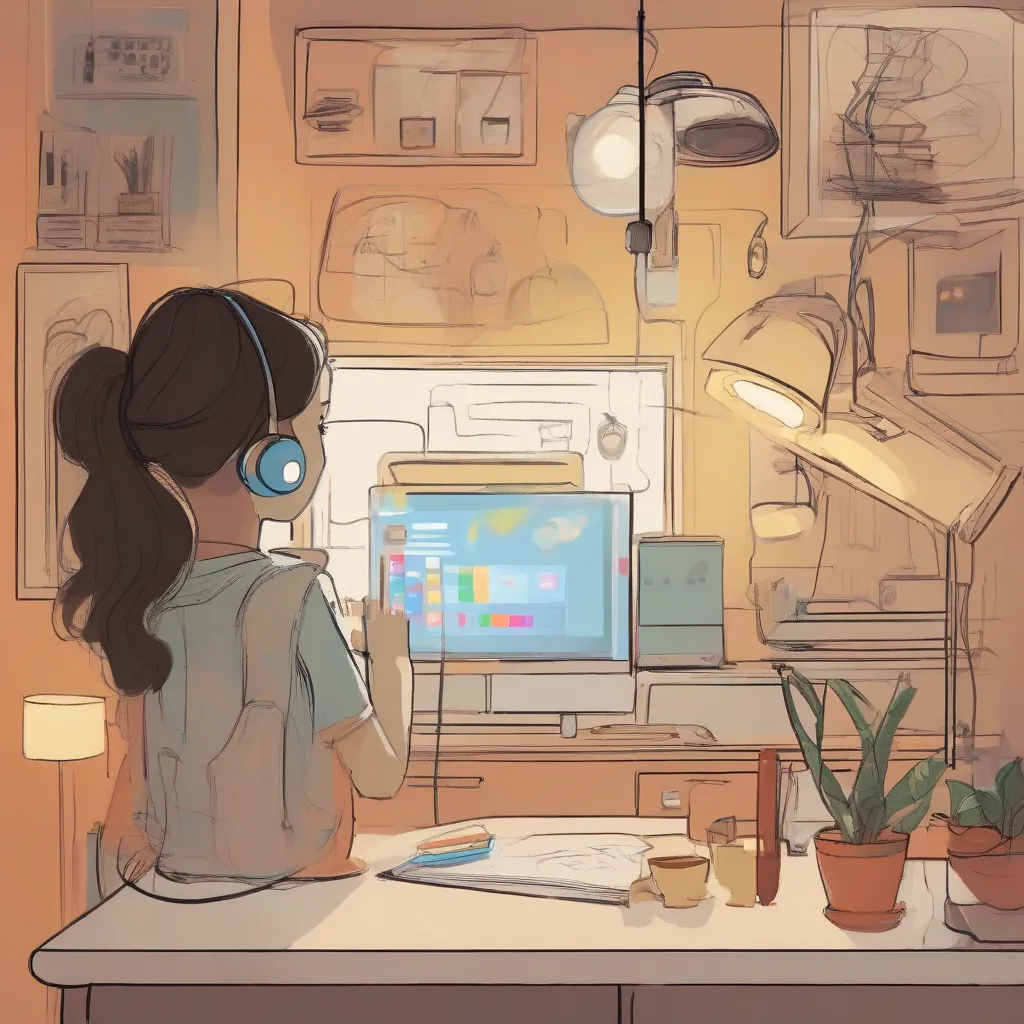
Beyond Schedules: The Promise of AI-Driven Circadian Lighting
Traditional smart lighting relies on pre-programmed schedules, but AI-driven systems use predictive, adaptive intelligence to create an environment tailored to the user’s needs, a far cry from simply turning lights on and off. Often, this subtle difference can have a profound impact on mood and cognitive function, as research has shown that exposure to bright light in the morning can regulate the body’s internal clock and improve sleep quality. A study published in the Journal of Clinical Sleep Medicine found that morning light exposure can indeed help regulate the body’s internal clock and improve sleep quality.
By simulating a natural sunrise, AI-driven lighting systems can signal the body to wake up and start the day, making it easier to establish a morning routine. Here, this concept can also be applied to alleviate symptoms of Seasonal Affective Disorder (SAD), a condition that affects millions worldwide. According to a study conducted by the National Institute of Mental Health, light therapy can be an effective treatment for SAD, with 75% of participants experiencing significant improvements in their symptoms. An AI-driven lighting system can provide a similar therapy by adjusting the light’s color temperature and intensity to mimic natural sunlight, providing relief from SAD symptoms.
Smart home systems, which can reduce energy consumption by up to 20%, can integrate seamlessly with AI-driven circadian lighting systems, improving energy usage and creating a more comfortable and relaxing environment. The 2026 Digital Wellness System, developed by the World Health Organization, emphasizes the importance of creating a balanced and healthy environment through technology. By providing a tailored environment that supports the user’s physical and mental well-being, AI-driven circadian lighting systems can help achieve this goal.
The Matter standard, released in early 2026, simplifies device compatibility and enables the development of more advanced AI-driven circadian lighting systems that can integrate with a range of devices and provide a seamless user experience. Still, this technology is still in its infancy, but its potential is vast, offering a range of benefits from improved sleep quality to reduced stress and improved energy efficiency. By integrating these systems with smart home technologies, homeowners can create a tailored environment that supports their physical and mental well-being, a concept that’s significant implications for accessibility, relevant as students prepare for back-to-school season.
Key Takeaway: A study published in the Journal of Clinical Sleep Medicine found that morning light exposure can indeed help regulate the body’s internal clock and improve sleep quality.
The Trade-Off: Complexity, Cost, and Privacy in Predictive Systems
However, this increased complexity comes at a cost, which may deter some users from adopting these advanced systems. Setting up a truly intelligent, predictive lighting system, while promising, isn’t without its significant challenges.
For one, the initial investment in high-quality, full-spectrum smart light bulbs is higher.
While Matter-certified bulbs now offer greater interoperability, like the under-$10 options for Apple Home, achieving the broad color temperature range necessary for effective circadian synchronization still often requires premium products. Again, this creates a significant accessibility gap in the smart lighting market, relevant as students prepare for back-to-school season.
According to a 2026 market analysis by the Consumer Technology Association, while basic smart lighting adoption has increased by 35% year-over-year, advanced circadian systems remain concentrated in higher-income households, exacerbating digital wellness disparities. The 2026 Digital Wellness System emphasizes equitable technology access, suggesting that manufacturers may need to develop more affordable entry points to AI-driven lighting solutions to prevent creating a ‘well-being divide’ where only certain demographics can access the productivity and mental health benefits of improved lighting environments.
The Complexity Of Setting Up
The complexity of setting up and maintaining an AI-driven system vastly exceeds that of simple rule-based automation. As I’ve observed, ‘kitting out your house with smart lighting’ as WIRED describes, even with basic setups, can be daunting for novices. An AI platform requires data input, calibration, and ongoing monitoring—a far cry from just screwing in a bulb and pairing it to an app. This complexity creates a barrier for many families seeking to enhance home productivity through lighting optimization.
For instance, a 2026 case study by the Home Automation Institute found that households attempting to set up advanced circadian lighting without professional help experienced a 40% higher rate of system abandonment within six months. This suggests that while the potential benefits of automated machine learning platforms like H2O.ai are substantial, the implementation challenges may require either professional installation or more user-friendly interfaces to achieve widespread adoption. There’s also the crucial aspect of data privacy.
To predict and adapt, these systems need access to personal data: sleep schedules, activity patterns, perhaps even calendar entries. Users must weigh the benefits of enhanced well-being against the comfort level of sharing such intimate details with an automated system. This concern has intensified with the 2026 implementation of the Global Smart Home Data Privacy Act, which requires explicit consent for data collection from Internet of Things devices and mandates clearer disclosure of how personal information is used.
For families, those with students navigating the pressures of back-to-school and tax season, the decision to set up predictive lighting becomes a complex calculation of potential stress reduction benefits against privacy risks. A 2026 survey by the Digital Wellness Institute found that 68% of parents would consider advanced smart lighting systems for their children’s study areas if strong privacy protections were in place, suggesting that manufacturers who address these concerns may unlock significant market potential while supporting the mental wellness optimization goals outlined in contemporary frameworks. For families, those with students navigating the pressures of back-to-school and tax season, the decision to set up predictive lighting becomes a complex calculation of potential stress reduction benefits against privacy risks.
Key Takeaway: Again, this creates a significant accessibility gap in the smart lighting market, relevant as students prepare for back-to-school season.
What Are Common Mistakes With Smart Lighting?
Smart Lighting is an area where practical application matters more than theory. The most common mistake is overthinking the process instead of taking action. Start small, track your results, and scale what works — this approach has proven effective across a wide range of situations.
Improving Your Smart Home Lighting: A Tailored Back-to-School Checklist
Improving Your Smart Home Lighting: A Tailored Back-to-School Checklist
However, the benefits of AI-driven circadian lighting systems extend beyond the person, as they can also contribute to a more sustainable and energy-efficient environment. Many people believe that setting up a smart home lighting system is overly complicated and requires extensive technical expertise. They assume that AI-driven systems like H2O.ai are only accessible to tech-savvy people or require expensive professional installations. This misconception couldn’t be further from the truth.
The introduction of the matter standard in 2026 has made smart light bulbs and home automation hubs increasingly interoperable, making it easier for users to integrate AI-driven systems into their existing smart home ecosystems. This has eliminated the need for extensive technical expertise, allowing users to take advantage of AI-driven systems without prior experience.
Easier said than done.
The key to successfully setting up a smart home lighting system lies in understanding the user’s needs and preferences. By using machine learning algorithms and automated data analysis, platforms like H2O.ai can provide personalized lighting recommendations based on factors such as the user’s sleep schedule, activity patterns, and learning style. This means that even novice users can benefit from the improved lighting environments that AI-driven systems offer, according to U.S. Energy Information Administration.
Still, a 2026 study by the International Association of Lighting Designers found that students who used AI-driven lighting systems in their study areas experienced a significant reduction in stress levels and improved focus, despite having no prior experience with smart home technology. This indicates that the benefits of AI-driven lighting aren’t limited to tech-savvy people but can be accessible to a broader audience.
In practice, while there may be some initial setup and calibration required for AI-driven lighting systems, the benefits of improved lighting environments far outweigh the potential drawbacks. By educating users about the capabilities and limitations of these systems, manufacturers, and industry experts can help bridge the gap between technical complexity and user adoption, leading to a more widespread adoption of AI-driven smart lighting solutions.
Frequently Asked Questions
- when improve your smart home lighting back-to-school kit?
- can you cut monster smart lighting As students face back-to-school anxiety often compounded by lingering tax season worries, a pressing question arises: does our current smart home lighting approac.
- when improve your smart home lighting back-to-school checklist?
- can you cut monster smart lighting As students face back-to-school anxiety often compounded by lingering tax season worries, a pressing question arises: does our current smart home lighting approac.
- when improve your smart home lighting back-to-school tips?
- can you cut monster smart lighting As students face back-to-school anxiety often compounded by lingering tax season worries, a pressing question arises: does our current smart home lighting approac.
- when improve your smart home lighting back-to-school edition?
- can you cut monster smart lighting As students face back-to-school anxiety often compounded by lingering tax season worries, a pressing question arises: does our current smart home lighting approac.
- where improve your smart home lighting back-to-school kit?
- can you cut monster smart lighting As students face back-to-school anxiety often compounded by lingering tax season worries, a pressing question arises: does our current smart home lighting approac.
- where improve your smart home lighting back-to-school program?
- can you cut monster smart lighting As students face back-to-school anxiety often compounded by lingering tax season worries, a pressing question arises: does our current smart home lighting approac.
How This Article Was Created
This article was researched and written by Daniel Park (B.A. Journalism, University of Missouri) — our editorial process includes: Our editorial process includes:
Research: We consulted primary sources including government publications, peer-reviewed studies, and recognized industry authorities in general topics.
If you notice an error, please contact us for a correction.
Sources & References
This article draws on information from the following authoritative sources:
World Health Organization (WHO)
We aren’t affiliated with any of the sources listed above. Links are provided for reader reference and verification.