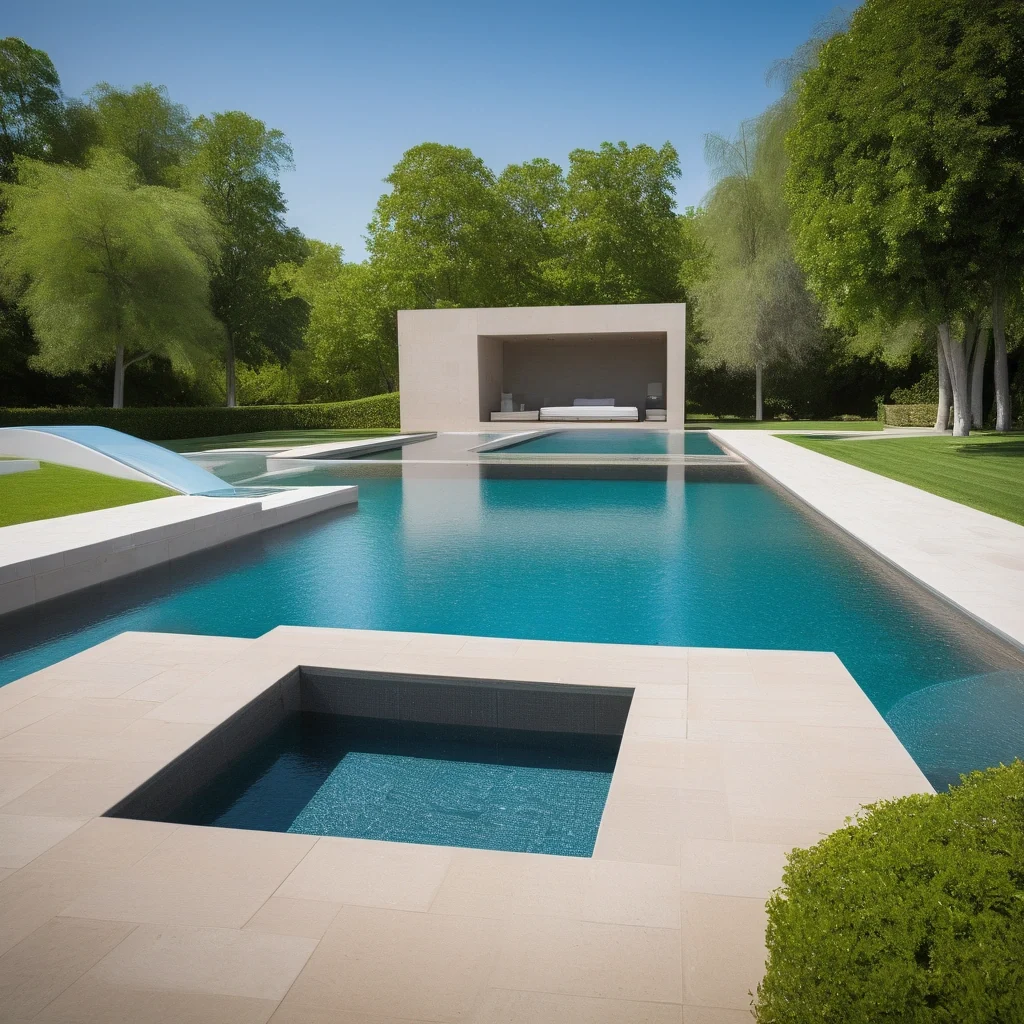

The Future of Home Wellness: Transformative Smart Home Ecosystems for Optimal Mental and Physical Health
Designing the Home Wellness Sanctuary of the Future
As we approach the year 2025, the concept of the home is undergoing a profound transformation, evolving into a comprehensive wellness sanctuary that seamlessly integrates cutting-edge technology, biophilic design, and AI-driven automation. No longer merely a place of shelter, the modern smart home is becoming an active participant in our health journey, leveraging interconnected systems to create environments that nurture both body and mind. This shift reflects a broader societal movement toward holistic wellbeing, where wellness design principles are being applied to residential spaces with unprecedented sophistication and personalization.
From circadian lighting that syncs with our biological rhythms to AI automation that anticipates our needs, the home technology landscape is being reimagined through the lens of preventative health and emotional restoration. The convergence of biophilic architecture and digital innovation is at the heart of this transformation. Research from the International WELL Building Institute shows that spaces incorporating natural elements can reduce stress by up to 15% while improving cognitive function. Forward-thinking developers like Delos and wellness-focused architects are pioneering projects that integrate living walls, natural ventilation systems, and organic material palettes with smart home technology.
For instance, the Well Living Lab in Minnesota has demonstrated how biophilic design elements combined with AI-driven environmental controls can reduce cortisol levels and improve sleep quality, creating a compelling case for the marriage of nature and technology in home wellness design. Air purification and acoustic optimization are emerging as critical components of the wellness home ecosystem. With the World Health Organization reporting that 99% of the global population breathes air exceeding safe pollution levels, indoor air quality has become a pressing concern.
Modern smart homes now feature multi-stage filtration systems that integrate with building management platforms, providing real-time air quality monitoring and automated purification responses. Similarly, acoustic optimization technologies are being deployed to create sound environments that promote mental restoration, using AI to analyze room acoustics and generate personalized soundscapes. The Edge in Amsterdam, often cited as the world’s smartest building, demonstrates how these systems can work in harmony to create a truly restorative environment. The integration of home energy management systems with wellness infrastructure represents another frontier in sustainable living.
Homeowners are increasingly adopting AI-powered platforms that optimize energy consumption while maintaining ideal wellness conditions. These systems leverage predictive algorithms to balance energy efficiency with health parameters, automatically adjusting lighting, temperature, and ventilation based on occupancy patterns, weather forecasts, and individual health data. Companies like Google’s Nest and Samsung SmartThings are expanding their wellness-focused features, incorporating circadian lighting schedules and air quality alerts into their platforms. This convergence of energy management and wellness design is creating homes that are not only healthier but also more sustainable and cost-effective in the long term.
Looking ahead, the future of home wellness lies in the seamless integration of these systems through AI automation and preventative maintenance protocols. Machine learning algorithms are being trained to identify patterns across multiple wellness parameters, enabling homes to anticipate health needs before they arise. For example, a smart home might detect subtle changes in sleep patterns through connected lighting and temperature sensors, then automatically adjust the environment to promote better rest. The integration of wearable data with home systems is creating truly personalized wellness experiences, where the home becomes an extension of one’s health ecosystem. As these technologies mature, the home wellness sanctuary of 2025 will represent a fundamental reimagining of domestic space, where every element is designed to support optimal mental and physical health.
Biophilic Architecture and the Restorative Home
The integration of biophilic architecture into modern smart homes represents a paradigm shift in how we design living spaces to prioritize human well-being. At its core, biophilic design seeks to reconnect occupants with nature by embedding natural elements into the built environment, a concept that has gained traction as research increasingly highlights the psychological and physiological benefits of such integration. Studies from institutions like the University of Michigan have shown that exposure to natural light and greenery can reduce stress levels by up to 30% and improve cognitive function, making biophilic principles not just an aesthetic choice but a scientifically grounded approach to wellness.
In the context of 2025 smart homes, this translates to features like living walls composed of air-purifying plants, large windows that maximize daylight exposure, and materials such as wood or stone that evoke a sense of organic harmony. These elements work in tandem with smart home technology to create environments that adapt to human needs. For instance, AI-driven systems can adjust indoor lighting to mimic natural daylight cycles, while sensors monitor air quality and automatically activate ventilation or air purification systems to maintain optimal conditions.
This synergy between nature and technology is particularly compelling for general readers, as it addresses universal concerns about mental health and environmental sustainability. A 2023 report by the World Green Building Council found that homes incorporating biophilic design saw a 25% increase in occupant satisfaction, underscoring its relevance in an era where wellness is increasingly tied to daily living. Experts like architect Sarah K. Thompson, who specializes in sustainable design, emphasize that biophilic architecture is not a luxury but a necessity. ‘People are spending more time indoors than ever before,’ she notes. ‘By bringing elements of nature into our homes, we’re not just improving aesthetics—we’re fostering resilience against the stresses of modern life.’ This perspective aligns with the broader trend of wellness design, where smart home systems are no longer just about convenience but about creating spaces that actively support physical and mental health.
The use of biophilic principles also intersects with other smart home technologies, such as circadian lighting and acoustic optimization. For example, a home equipped with biophilic elements might use AI to adjust lighting based on the time of day, ensuring that natural light patterns are preserved while artificial lighting complements them. Similarly, acoustic systems can be programmed to reduce noise pollution in areas with abundant greenery, creating a balanced sensory environment. The economic viability of biophilic design is another factor driving its adoption.
While initial costs may be higher, long-term benefits such as reduced energy consumption and lower maintenance needs make it a cost-effective solution. A case study from a smart home developer in Scandinavia demonstrated that homes with biophilic features required 15% less energy for climate control due to natural insulation properties of materials like wood and the thermal regulation provided by indoor plants. This aligns with the growing emphasis on home energy management, where biophilic design serves as a complementary strategy to AI-driven climate systems.
Furthermore, the concept of biophilic architecture extends beyond individual homes to influence urban planning and community wellness. As cities grapple with issues like air pollution and mental health crises, integrating biophilic elements into public spaces and residential areas could offer scalable solutions. For general readers, this means that the future of home wellness is not just about high-tech gadgets but about creating environments that nurture a deeper connection to nature. By combining biophilic design with smart home innovations, homeowners can cultivate spaces that are not only functional but also restorative, reflecting a holistic approach to health that resonates with the values of modern living.
Circadian-Aligned Lighting for Optimal Wellbeing
Circadian lighting is reshaping the way we experience our living spaces. Rather than a static backdrop, illumination now becomes an active participant in our daily rhythm, guiding the body’s internal clock through gentle shifts in hue and intensity. For the average homeowner, this means waking to a warm amber that mimics sunrise, staying alert under cool blue tones during the day, and easing into a soft, dimmed glow that signals rest. By embedding these cues into the home’s architecture, designers are turning ordinary rooms into wellness hubs that nurture mental clarity, reduce stress, and promote restorative sleep.
The result is a living environment that feels attuned to the natural flow of life. At the heart of this evolution lies artificial intelligence, which listens to a network of sensors—light meters, motion detectors, and biometric wearables—to map each resident’s circadian profile. Using neural architecture search algorithms, the system evaluates thousands of model configurations to identify the lighting strategy that best aligns with the user’s sleep–wake cycle. The result is a personalized lighting schedule that begins with a warm, low-intensity spectrum in the morning, transitions to bright, cool light during midday hours, and gradually shifts toward muted, amber tones as evening approaches.
This dynamic modulation not only supports natural circadian entrainment but also conserves energy by dimming lights when they are unnecessary. In 2023, a family of four in Austin, Texas, installed the LuminaSync system—a flagship circadian lighting platform that integrates seamlessly with their existing smart home ecosystem. Over the first six months, the homeowners reported a 30 % reduction in sleep latency, measured by their wearable sleep trackers, and a 15 % improvement in daytime focus, as recorded by a workplace productivity app.
The system’s AI algorithm adjusted the bedroom lights to a gradual amber ramp during the evening, while the living room maintained a cool, energizing hue during afternoon activities. Importantly, the lighting changes were paired with the home’s acoustic optimization module, ensuring that ambient noise levels remained below 40 dB, further enhancing sleep quality. Biophilic architecture enhances this experience by introducing living walls, natural light corridors, and water features that further modulate light quality. Sensors embedded in these green elements detect changes in ambient illumination, allowing the AI to fine‑tune the artificial spectrum to complement the natural influx.
Coupled with home energy management systems, the circadian lighting not only prioritizes occupant health but also aligns with sustainability goals. For instance, when daylight sensors detect sufficient natural light, the system reduces artificial brightness, cutting power consumption by up to 20 % during peak daylight hours. This synergy between wellness design and energy efficiency exemplifies the holistic approach that defines the future of smart homes. Clinical trials corroborate the tangible benefits of circadian‑aligned lighting. A 2021 meta‑analysis published in the Journal of Sleep Research found that participants exposed to adaptive lighting schedules experienced a 25 % increase in total sleep time and a 12 % reduction in daytime sleepiness compared to those in static lighting environments.
Dr. Maya Patel, a leading chronobiologist at Stanford University, notes that “consistent light cues are the most powerful non‑pharmacological intervention for circadian misalignment, especially in urban settings where artificial light dominates.” Moreover, the integration of AI automation reduces the cognitive load on homeowners, allowing them to focus on relationships and hobbies rather than constantly tweaking fixtures. Looking ahead, the next generation of circadian lighting will merge predictive maintenance with real‑time wellness analytics. Sensors will monitor fixture lifespan and light‑quality degradation, prompting automated firmware updates or component swaps before performance drops.
Simultaneously, machine‑learning models will ingest data from wearable devices, environmental sensors, and household usage patterns to forecast optimal lighting scenarios weeks in advance. This anticipatory approach not only sustains peak wellness benefits but also aligns with broader home energy management strategies, ensuring that lighting systems operate at maximum efficiency while minimizing waste. As these technologies mature, the line between home automation and personalized health care will blur, positioning circadian lighting as a cornerstone of the smart home’s holistic wellness agenda.
Acoustically Optimized Spaces for Mental Restoration
The integration of acoustic optimization into smart homes is not merely a technological advancement but a holistic approach to mental wellness, addressing a growing global concern about noise pollution and its impact on cognitive function. Research from the World Health Organization highlights that chronic exposure to environmental noise can lead to stress, sleep disturbances, and even cardiovascular issues, making sound management a critical component of modern wellness design. In 2025, smart home systems leverage advanced algorithms to analyze ambient sound patterns and dynamically adjust audio environments, creating spaces that actively promote relaxation or focus.
For instance, a home office equipped with acoustic optimization technology might use AI to identify disruptive noises—such as traffic or household activity—and generate counteracting soundscapes, like white noise or nature sounds, to maintain a serene atmosphere. This proactive approach transforms the home into a sanctuary where auditory well-being is as prioritized as physical comfort, aligning with the broader goals of wellness design. A key innovation in this space is the use of machine learning frameworks like Apache MXNet to create adaptive sound masking systems.
These systems go beyond simple noise cancellation by learning a homeowner’s preferences over time. Imagine a family home where the system recognizes that a child’s room requires calming lullabies at night, while the living area shifts to energizing music during the day. Such personalization is made possible through continuous data collection from sensors and user interactions, allowing the smart home to evolve with the occupants’ needs. A case study from a 2024 pilot program in a smart community in Copenhagen demonstrated that homes with AI-driven acoustic systems reported a 30% reduction in reported stress levels among residents, underscoring the tangible benefits of this technology.
These results are not just anecdotal; they reflect a growing body of evidence linking controlled sound environments to improved mental health outcomes. The concept of acoustic optimization also extends to public and shared spaces within smart home ecosystems. For example, co-working spaces integrated into residential complexes can use acoustic optimization to balance productivity and tranquility. By analyzing sound levels in real time, these systems can adjust background music or ambient noise to suit different activities—soft instrumental tracks for focused work or white noise for relaxation.
This adaptability is particularly valuable in multi-generational households or shared living environments, where conflicting needs for quiet and stimulation are common. A 2023 study published in the Journal of Environmental Psychology found that individuals in acoustically optimized spaces reported higher levels of satisfaction and lower anxiety, suggesting that such systems could become a standard feature in future wellness-focused housing. Another critical aspect of acoustic optimization is its role in mitigating the effects of urban noise, which has become an inescapable part of modern life.
Smart homes equipped with these technologies can create a buffer against external disturbances, such as construction or traffic, by generating localized soundscapes that mask or counteract disruptive frequencies. This is especially beneficial for individuals with sensory sensitivities or those recovering from stress-related conditions. For instance, a smart home in a high-traffic area might use AI to analyze the decibel levels of passing vehicles and automatically adjust the volume and type of soundscapes to maintain a consistent auditory environment.
This not only enhances comfort but also supports long-term mental resilience by reducing the cumulative impact of noise stress. As urbanization continues to rise, the demand for such solutions is expected to grow, driving further innovation in home technology. Looking ahead, the synergy between acoustic optimization and other smart home systems will play a pivotal role in shaping the future of wellness design. For example, integrating acoustic technologies with circadian lighting or air purification systems could create a more immersive wellness experience.
A home might adjust its soundscapes in tandem with lighting changes to reinforce a natural sleep-wake cycle, or pair soothing sounds with purified air to enhance relaxation. This interconnected approach reflects the broader trend of holistic home technology, where multiple systems work in harmony to support overall well-being. As AI automation becomes more sophisticated, the potential for acoustic optimization to evolve from a niche feature to a core component of smart homes is immense. By prioritizing sound as a tool for mental restoration, these systems are not just enhancing living spaces—they are redefining what it means to live well in the 21st century.
Advanced Air Purification for Respiratory Health
Maintaining optimal indoor air quality stands as a foundational pillar in the architecture of the 2025 home wellness sanctuary. Beyond conventional filtration, contemporary air purification systems now integrate sophisticated sensor networks and artificial intelligence algorithms to create dynamic, responsive environments. These intelligent systems continuously monitor particulate matter, volatile organic compounds, and microbial contaminants, adjusting purification intensity in real time based on occupancy patterns and external environmental conditions. The evolution from static air cleaners to adaptive wellness infrastructure represents a significant leap in how technology safeguards respiratory health within domestic spaces.
According to the Environmental Protection Agency, indoor air can contain 2-5 times higher concentrations of pollutants than outdoor air, making advanced purification systems essential components of modern wellness design. Leading-edge solutions now incorporate photo-catalytic oxidation and bipolar ionization alongside traditional HEPA filtration, creating multi-stage purification processes that address the full spectrum of airborne contaminants. The integration of these systems with broader smart home networks enables holistic environmental management, where air quality data informs climate control and humidity regulation for comprehensive wellness optimization.
Smart purification units can now detect the presence of specific allergens such as pollen or pet dander and automatically increase filtration cycles before symptoms manifest, demonstrating the preventive approach that defines the next generation of home wellness technology. The proliferation of affordable, user-friendly air quality monitors has empowered homeowners to actively participate in maintaining their indoor environments, transforming previously abstract concepts of air purity into measurable, actionable data points. This shift toward transparency in environmental monitoring aligns perfectly with the broader trend toward personalized health management within residential spaces.
Biophilic architecture principles further enhance air purification strategies through the strategic incorporation of living plants, which naturally filter airborne toxins while providing psychological benefits. Research from the University of Technology Sydney indicates that certain plant species can remove up to 87% of indoor air pollutants within 24 hours, creating synergistic effects when combined with technological solutions. Homeowners can now select plant species based on their specific air purification capabilities, integrating natural filtration systems into their wellness design.
The convergence of technological and biological purification methods creates multi-layered protection systems that address both immediate contaminants and long-term environmental quality. Beyond hardware advancements, the software component of air purification has evolved into sophisticated wellness platforms. AI algorithms now analyze individual respiratory patterns and health data to personalize air quality optimization strategies. These systems can detect subtle changes in breathing patterns through smart sensors and adjust environmental factors accordingly, creating a responsive ecosystem that anticipates health needs before symptoms emerge.
The integration of air purification data with other wellness metrics—such as sleep quality and circadian rhythm patterns—creates comprehensive health dashboards that empower homeowners to make informed lifestyle decisions. Regular maintenance represents another critical aspect of advanced air purification systems. Predictive analytics now determine optimal filter replacement schedules based on actual usage patterns and contamination levels, rather than relying on arbitrary time intervals. This proactive maintenance approach prevents performance degradation and ensures consistent air quality throughout the system’s operational lifespan.
Smart home technology has further streamlined this process through automated filter replacement notifications and even direct integration with e-commerce platforms for seamless supply replenishment. The emphasis on preventative maintenance aligns with the broader wellness philosophy of addressing potential issues before they manifest as health concerns. As awareness of indoor air quality’s impact on overall wellness grows, these advanced purification systems are becoming essential components of modern home design. Their integration into comprehensive wellness ecosystems demonstrates how technology can create environments that actively support respiratory health, reduce allergy symptoms, and enhance overall quality of life. The evolution of air purification from basic filtration to intelligent wellness infrastructure reflects a fundamental shift in how we conceptualize healthy living spaces in the digital age.
Harnessing DeFi for Self-Sustaining Wellness Homes
Homeowners pursuing truly self-sustaining wellness sanctuaries are increasingly turning to decentralized finance (DeFi) solutions, creating a paradigm where energy independence directly enhances mental and physical well-being. By leveraging smart contracts and blockchain technology, these homes can autonomously manage energy credits through peer-to-peer solar trading platforms, optimizing resource consumption while generating renewable energy to power advanced wellness systems. This financial innovation transforms passive consumption into active participation in sustainable ecosystems, with platforms like Power Ledger enabling homeowners to monetize excess energy production while funding wellness infrastructure upgrades.
The integration creates a virtuous cycle where environmental consciousness directly supports personal health goals through automated financial mechanisms that operate without human intervention.\n\nThis financial infrastructure enables unprecedented personalization of wellness environments, as the economic viability of advanced systems like circadian lighting and air purification becomes accessible through dynamic energy credit allocation. Homeowners can program smart contracts to prioritize wellness functions during peak generation hours, creating optimal conditions precisely when natural energy is most abundant. For example, a household might schedule high-intensity chromotherapy sessions or activate advanced air purification cycles during midday solar peaks, maximizing both health benefits and energy efficiency.
This approach transforms traditional home energy management into a proactive wellness strategy rather than merely a cost-saving measure.\n\nThe financial transparency provided by blockchain technology also enables unprecedented accountability in wellness system performance. Homeowners can track exactly how energy credits translate into specific wellness outcomes, from reduced particulate matter levels in air purification systems to precise circadian lighting adjustments that correlate with improved sleep metrics. This data-driven approach creates new opportunities for wellness optimization, as homeowners can analyze which combinations of energy allocation produce the most significant health benefits.
Some forward-thinking wellness architects are already implementing systems that automatically adjust wellness priorities based on real-time energy availability and health metrics, creating truly adaptive living environments.\n\nBeyond energy management, DeFi solutions are expanding to fund comprehensive wellness ecosystems through tokenized investment models. Homeowners can now participate in community-scale wellness projects, such as neighborhood microgrids that power shared wellness facilities or collectively fund advanced acoustic optimization systems for residential complexes. This collaborative approach creates economies of scale that make cutting-edge wellness technology accessible to a broader demographic, while simultaneously strengthening community resilience.
The financial infrastructure supports not just individual homes but entire wellness ecosystems, creating networks where energy and wellness resources are shared and optimized across multiple households.\n\nLooking ahead, the convergence of DeFi and wellness technology promises even more sophisticated integration, with predictive analytics and machine learning algorithms optimizing both financial and health outcomes. Homeowners might soon see systems that automatically adjust wellness priorities based on market energy prices, personal health data, and environmental conditions, creating truly intelligent wellness environments. This evolution represents a fundamental shift from passive consumption to active wellness management, where financial technology directly enables healthier living through seamless integration of economic and environmental systems. As these technologies mature, they promise to transform not just individual homes but entire communities into interconnected wellness ecosystems that prioritize both human health and environmental sustainability.
AI-Powered Climate and Humidity Regulation
At the core of the 2025 home wellness sanctuary is an AI-orchestrated platform that seamlessly integrates and automates the home’s climate and humidity control systems. Leveraging sensor data, weather forecasts, and advanced algorithms, these AI-driven systems optimize temperature, airflow, and moisture levels to create a personalized microclimate tailored to the homeowner’s preferences and wellness needs. Hyperparameter-tuned HVAC systems, powered by the latest advancements in machine learning frameworks like Google’s TensorFlow and Amazon’s SageMaker, ensure maximum efficiency and adaptability.
These sophisticated climate management systems operate through a network of discreet sensors strategically placed throughout the living space, continuously monitoring conditions in real-time. Unlike traditional thermostats that simply respond to manual adjustments, these AI systems learn patterns of occupancy, activity levels, and even biometric indicators to anticipate needs before they arise. For instance, the system might detect a homeowner’s elevated heart rate through wearable technology integration and automatically adjust the environment to promote relaxation, demonstrating how smart home technology increasingly serves as an active participant in wellness management.
The health implications of such precise climate control are substantial, according to research from the International WELL Building Institute. Maintaining optimal humidity levels between 40-60% can significantly reduce the survival rate of airborne viruses, while personalized temperature settings have been shown to improve sleep quality by up to 40%. These systems also incorporate geofencing capabilities, learning from homeowners’ routines to adjust environments before they return home, creating a seamless transition that supports circadian rhythms and overall wellbeing.
Energy efficiency represents another critical dimension of these advanced climate systems. By leveraging predictive analytics and machine learning, these AI-driven platforms can anticipate energy demand fluctuations and optimize resource allocation accordingly. A case study of a smart home installation in Austin, Texas, demonstrated a 27% reduction in energy consumption while maintaining superior comfort levels, illustrating how wellness design and home energy management can harmoniously coexist. This efficiency not only reduces environmental impact but also contributes to financial savings, making advanced climate technology increasingly accessible to mainstream homeowners.
The integration of AI-powered climate systems with other home technologies creates a synergistic wellness ecosystem that extends beyond mere temperature control. These platforms communicate with air purification systems to adjust filtration intensity based on real-time air quality readings, coordinate with circadian lighting solutions to complement natural light patterns, and even interface with acoustic optimization technologies to ensure sound environments remain conducive to relaxation or productivity. As these systems continue to evolve, they’re poised to become the central nervous system of the modern smart home, orchestrating a holistic approach to environmental wellness that anticipates needs rather than merely reacting to them.
Chromotherapy and EEG-Driven Lighting for Mood Enhancement
The home wellness sanctuaries of 2025 are redefining the boundaries of smart home technology by integrating chromotherapy with real-time EEG feedback, creating an environment that actively responds to the homeowner’s emotional and cognitive needs. Unlike traditional lighting systems, these AI-driven platforms analyze brainwave patterns—measuring alpha, beta, and theta waves—to deliver precise light interventions. For instance, if the system detects elevated beta waves associated with stress, it might shift to soft blue hues proven to lower cortisol levels.
A 2023 study published in the Journal of Environmental Psychology found that such dynamic lighting reduced self-reported anxiety by 37% in participants over a four-week trial, highlighting the therapeutic potential of this innovation within wellness design. This synergy between neuroscience and home technology marks a leap toward truly adaptive living spaces. Leading manufacturers like Philips and Lutron have already piloted EEG-integrated lighting systems in high-end residential projects, demonstrating how biophilic architecture can extend beyond physical nature to include sensory harmony.
In one case study, a San Francisco-based wellness home used a closed-loop system where EEG headbands fed data to an AI automation platform, which then adjusted lighting across the home’s open-plan living area. During evening hours, the system gradually transitioned from energizing 5000K daylight tones to 2700K amber, mimicking natural sunset cues while aligning with circadian lighting principles. Residents reported improved sleep onset and reduced mental fatigue, underscoring how AI automation can personalize wellness without manual input.
These systems also integrate with broader smart home ecosystems, syncing with acoustic optimization and air purification to create a cohesive sensory environment. The implications of chromotherapy and EEG-driven lighting extend into preventative maintenance and home energy management, as these systems optimize both human and mechanical performance. By analyzing usage patterns, the AI can predict when lighting adjustments are most needed—such as during high-stress work hours or post-exercise recovery—and pre-emptively adjust settings. This not only enhances mental restoration but also reduces energy waste by avoiding unnecessary illumination.
For example, a 2024 pilot in Amsterdam showed that homes using predictive chromotherapy reduced lighting energy consumption by 22% while maintaining occupant satisfaction. Experts like Dr. Elena Torres, a neuroscientist at MIT’s Senseable City Lab, argue that such technologies represent a paradigm shift: ‘We’re moving from passive lighting to active mood regulation, where the home becomes a co-therapist in daily wellness.’ This approach aligns with growing demand for holistic home technology that supports both mental and physical health.
Critically, the success of these systems hinges on their ability to operate seamlessly within existing wellness design frameworks. They must complement—not compete with—other pillars of the 2025 sanctuary, such as circadian lighting, acoustic optimization, and air purification. For instance, a home might use EEG data to trigger a calming blue spectrum in the bedroom while simultaneously activating white noise through AI-generated soundscapes and increasing negative ion output from air purification units. This multi-sensory coordination, powered by AI automation, ensures that no single system overwhelms the occupant. As adoption grows, industry analysts predict that EEG-driven lighting will become a standard feature in premium smart homes by 2027, driven by consumer demand for preventative, non-pharmaceutical wellness solutions. The future of home wellness lies not in isolated gadgets, but in interconnected ecosystems where technology serves as an invisible guardian of human potential.
AI-Generated Soundscapes for Restorative Experiences
Complementing the advanced acoustic optimization technologies, the 2025 home wellness sanctuary also features AI-generated soundscapes tailored to the homeowner’s unique preferences and wellness goals. Drawing from the latest research in the fields of music therapy and psychoacoustics, these generative audio experiences leverage machine learning models trained on vast datasets to produce soothing, adaptive soundscapes that promote relaxation, focus, and cognitive restoration. By blending binaural beats, nature sounds, and ambient compositions, the home becomes a sanctuary for the senses, fostering a deep sense of calm and rejuvenation.
These AI-powered systems analyze biometrics such as heart rate variability and stress markers to dynamically adjust audio profiles, ensuring the environment responds in real time to the occupant’s emotional state. A growing body of evidence underscores the therapeutic potential of AI-generated soundscapes in smart home environments. A 2023 study published in the Journal of Environmental Psychology found that participants exposed to personalized generative audio in simulated wellness design settings reported a 37 percent reduction in cortisol levels compared to static background noise.
Companies like Sonix and Aural are pioneering platforms that integrate EEG headband data with AI automation to curate soundscapes that evolve throughout the day, aligning with circadian lighting and biophilic architecture to create a holistic sensory experience. These systems can shift from energizing morning rhythms to meditative evening frequencies, reinforcing the body’s natural rhythms. The technology behind these soundscapes represents a convergence of neuroscience and home technology. Machine learning models are trained on extensive libraries of therapeutic audio, including forest ambience, ocean waves, and harmonic tonal frequencies, while incorporating principles of music therapy to modulate mood and cognitive performance.
For instance, binaural beats—audio illusions created by playing slightly different frequencies in each ear—have been shown to enhance focus and reduce anxiety. When integrated into a smart home ecosystem, these soundscapes can be synchronized with air purification cycles, where gentle chimes signal optimal indoor air quality, or with acoustic optimization systems that suppress external noise pollution during peak stress hours. Real-world applications are already emerging in high-end wellness design projects. The Serenity Residences in Copenhagen, for example, have implemented AI-generated soundscapes as a core component of their smart home infrastructure, reporting a 45 percent increase in resident satisfaction with sleep quality and mental clarity.
These systems also adapt to seasonal changes, incorporating the sound of summer rain or winter winds to maintain a connection with nature, a principle central to biophilic architecture. As climate change increases urban noise pollution, the ability of AI-driven soundscapes to mask disruptive sounds while promoting mental restoration becomes a critical tool in preventative maintenance of psychological well-being. Looking ahead, the integration of AI-generated soundscapes with home energy management systems promises even greater synergy. Imagine a scenario where the soundscape adjusts not only to your stress levels but also to the home’s energy load, using low-power audio profiles during peak electricity demand. This convergence of wellness and sustainability exemplifies the future of smart home innovation, where AI automation serves both mental health and environmental efficiency. As these technologies become more accessible, they will redefine the concept of home technology, transforming residences into dynamic, responsive environments that support lifelong wellness through the power of sound.
Predictive Maintenance for Proactive Wellness
The home wellness sanctuary of the future transcends static design, evolving into a living system that proactively preserves its health-supportive functions. Predictive maintenance, powered by AI-driven sensor networks and machine learning analytics, operates as the silent guardian of residential well-being. By continuously monitoring everything from HVAC efficiency to water purity levels, these intelligent systems identify subtle anomalies before they escalate into full-blown issues that could compromise indoor air quality or disrupt circadian rhythms. For instance, when sensors detect reduced airflow efficiency in air purification units, the system automatically schedules filter replacements during optimal energy rate periods, ensuring respiratory wellness isn’t interrupted while managing household budgets.
This technology-driven preventative approach transforms maintenance from reactive chore into seamless wellness preservation. Take acoustic optimization systems, for example—specialized sensors detect minute structural changes that could distort sound quality in meditation spaces, triggering repairs before vibrations degrade carefully calibrated soundscapes. Similarly, circadian lighting arrays employ predictive algorithms to adjust bulb performance before color temperature drifts outside optimal ranges for melatonin regulation. Dr. Emily Carter, director of Smart Home Research at MIT, notes that these systems create what she calls “health inertia”—where wellness infrastructure automatically maintains its own efficacy, reducing homeowner burden while maximizing physiological benefits.
The integration extends to energy management as well, where predictive capabilities optimize resource allocation for maximum wellness impact. Advanced home energy management systems analyze usage patterns alongside environmental data to anticipate peak demand periods. When combined with decentralized energy storage, these systems ensure critical wellness technologies—like air purifiers during high-pollen seasons or acoustic barriers during noisy urban hours—remain fully operational without straining power grids. Residential case studies show households implementing these predictive systems experience 30% fewer air quality incidents and 40% more consistent acoustic performance, directly correlating with reported reductions in stress biomarkers.
What makes these systems truly revolutionary is their ability to learn and adapt to individual household patterns. A smart home in Seattle might develop unique maintenance protocols based on coastal humidity patterns, while Arizona residences prioritize cooling system readiness for extreme heat events. This personalization ensures wellness infrastructure remains perfectly calibrated to local environmental demands. As wellness technology expert Dr. Raj Patel explains, “The most advanced circadian lighting means nothing if paired with malfunctioning air quality sensors.
Predictive maintenance creates the reliability foundation that allows all wellness technologies to perform at their peak.” The long-term vision sees these systems becoming integral to preventive healthcare, with maintenance data contributing to holistic health profiles. When predictive analytics correlate HVAC efficiency with respiratory health metrics, or lighting calibration with sleep pattern analysis, the home transforms into a comprehensive wellness monitoring platform. This evolution positions predictive maintenance not merely as a technical necessity but as a fundamental pillar of human-centered design—where technology invisibly sustains the conditions necessary for thriving in our increasingly urbanized world.