Smart Home Organization Revolution: Future-Proofing Your Space in 2025 and Beyond
Introduction: The Smart Home Organization Revolution
The future of home organization is here, where smart tech and design merge to create spaces that look great and work seamlessly. By 2025, this isn’t a luxury—it’s essential for saving space, simplifying life, and boosting well-being. Smart systems use AI and IoT to handle storage, automate tidying, and make the most of every square foot. For instance, AI can track items, alert you when supplies run low, and recommend storage spots based on how you use things. This cuts mental clutter, saves time, and helps reduce waste by encouraging thoughtful buying.
Smart furniture blends style with purpose, while lighting systems adjust to your routine. They can dim for relaxation or brighten for work, and even cut energy use. Minimalist designs with clean lines add calm to the chaos. Beyond convenience, these tools anticipate needs—like suggesting a kitchen gadget you might use based on past habits.
AR and VR take this further. AR apps let you test furniture arrangements virtually, while VR lets you walk through design ideas before buying. This tech lets homeowners make smarter choices, turning planning into an interactive experience.
The result? Homes that aren’t just efficient but feel personal. Technology and design aren’t just tools here—they’re partners in creating spaces that adapt to how you live.
Smart Storage Systems: The Future of Organization
Imagine stepping into a home where shelves seamlessly adjust, accommodating new items as if by magic, and closets provide real-time inventory updates, eliminating the dreaded search for misplaced belongings. This is the reality smart storage systems are bringing to life, transforming the way we organize our belongings and offering unparalleled convenience and efficiency. These innovations are not just futuristic fantasies; they are rapidly becoming tangible realities, reshaping our relationship with our belongings and our homes. For interior design enthusiasts, smart storage solutions offer a new level of aesthetic control, concealing clutter and creating visually harmonious spaces.
Robotic shelving units, powered by sophisticated algorithms, can rearrange themselves to maximize space utilization, adapting to the ever-changing landscape of our possessions. AI-powered inventory management systems track items in real-time, notifying us of low supplies or alerting us to duplicates, streamlining our shopping habits and minimizing waste. Smart closet systems, integrating seamlessly with our smart home ecosystems, can suggest outfits based on the weather, upcoming events, or even our current mood, simplifying our daily routines and saving valuable time. Imagine minimalist interiors where every item has its designated place, seamlessly integrated into the overall design.
Smart storage systems can be customized to match any decor, blending seamlessly with existing furniture and enhancing the overall aesthetic appeal of a room. This integration of technology and design creates a home that is not only organized but also visually stunning, reflecting the homeowner’s unique style and personality. From a technological perspective, these systems represent a significant leap forward in home automation, leveraging AI and robotics to create a truly intelligent living space. The ability to control and monitor storage through a smartphone app or voice commands empowers homeowners with unprecedented control over their belongings.
Furthermore, these systems contribute to a more sustainable lifestyle by optimizing space utilization, reducing waste, and promoting mindful consumption. Looking towards 2025 and beyond, the future of smart storage is bright, with personalized experiences and seamless integration with other smart home technologies. Or envision a scenario where your smart closet suggests outfits based on the clothes available in your smart laundry system, ensuring you always have clean and readily accessible clothing options. These integrated solutions are poised to revolutionize the way we interact with our homes, creating spaces that are not only organized but also truly intelligent and responsive to our individual needs. By embracing these innovations, we can create homes that are not only more organized and efficient but also more sustainable, personalized, and reflective of our individual lifestyles.
Space-Saving Furniture: Making the Most of Every Inch
Space-saving furniture is rapidly evolving, moving beyond simple multi-functional pieces to become integral components of smart home organization. Consider modular sofas that not only adapt to different room layouts but also incorporate features like built-in charging ports and hidden storage compartments, seamlessly blending technology and design. Transforming tables, another key element, now include automated height adjustments and integrated touch screens, allowing them to function as dining surfaces, work desks, or even entertainment hubs, all while maximizing available space. These innovations reflect a growing trend towards adaptable living spaces that cater to our dynamic lifestyles and the need for efficient use of every square inch, especially in urban environments. The integration of technology into space-saving furniture is not just about convenience; it’s about creating a more responsive and intuitive living environment.
Smart beds, for instance, can now incorporate under-bed storage with automated access, while also monitoring sleep patterns and adjusting firmness levels for optimal comfort. These advancements demonstrate how technology is enhancing the functionality of furniture, making it a crucial part of the overall smart home organization strategy. The design of these pieces also plays a vital role, with a focus on minimalist aesthetics and sustainable materials that align with the growing demand for eco-conscious living. In the realm of interior design, these space-saving solutions are not just functional; they are also becoming statement pieces that reflect a commitment to both style and efficiency. The trend towards minimalist living is further fueled by the development of furniture that can perform multiple functions, reducing the need for numerous individual items and contributing to a more clutter-free environment. For example, a wall-mounted desk that folds away when not in use, or a coffee table that transforms into a dining table, are becoming increasingly popular choices for those seeking to maximize space without sacrificing style. These pieces are not just about saving space; they are about creating a more flexible and adaptable living environment that can easily adjust to the changing needs of the occupants. As we move towards 2025 and beyond, we can expect to see even more sophisticated space-saving furniture that seamlessly integrates with our smart home ecosystems. AI-powered organization systems will likely play a larger role, with furniture that can automatically adjust its configuration based on user preferences and real-time needs. This level of automation will not only enhance convenience but will also contribute to a more efficient and sustainable way of living, aligning with the future trends in home automation and smart home organization. Furthermore, the use of sustainable materials and manufacturing processes will become increasingly important, as consumers become more environmentally conscious and demand products that are both functional and eco-friendly. The future of space-saving furniture is not just about maximizing space; it’s about creating a more intelligent, adaptable, and sustainable living environment.
Decluttering Technologies: Simplifying the Process
Decluttering, often perceived as a daunting chore, is being revolutionized by AI-powered technologies, seamlessly integrating with the smart home ecosystem. These intelligent systems go beyond simple organization apps, offering a comprehensive approach to managing our belongings. This personalized approach to decluttering empowers homeowners to create spaces that truly reflect their lifestyle and promotes mindful consumption. Smart organization apps, powered by sophisticated algorithms, can now analyze images of your belongings, categorize items, and even estimate their value. This feature simplifies the process of inventorying possessions for insurance purposes or for efficiently managing estate planning.
Furthermore, these apps can connect you with local donation centers, recycling facilities, or sustainable disposal services, aligning with the growing trend of eco-conscious living and minimizing waste. These AI-driven decluttering tools not only simplify the process of removing unwanted items but also promote responsible and sustainable disposal practices, contributing to a greener future. By integrating with smart home automation systems, these apps can suggest optimal storage locations based on item usage frequency and available space.
For example, infrequently used items can be automatically designated for storage in less accessible areas, while everyday essentials are kept within easy reach, maximizing efficiency and minimizing clutter. Moreover, AI-powered systems can learn your organizational preferences over time, anticipating your needs and proactively suggesting decluttering strategies. This level of personalized organization transforms the decluttering process from a reactive chore to a proactive and seamless part of maintaining a smart and organized home.
The future of decluttering involves a seamless integration of AI, smart home technology, and sustainable practices. By embracing these advancements, we can create homes that are not only clutter-free but also optimized for efficiency, sustainability, and personalized comfort, reflecting the evolving needs and desires of modern living in 2025 and beyond.
These intelligent systems will learn our habits, anticipate our needs, and ultimately empower us to live more mindfully and intentionally within our spaces, transforming our relationship with our belongings and the spaces we inhabit.
Long-Term Effectiveness and ROI: Investing in Your Future
Investing in smart home organization solutions isn’t just about immediate convenience; it’s a strategic move with substantial long-term benefits. The initial investment in smart storage solutions, space-saving furniture, and decluttering technology yields returns that extend far beyond simple tidiness. For instance, consider the reduced energy consumption from automated lighting and climate control systems integrated with smart storage, a feature that contributes directly to lower utility bills and a smaller carbon footprint.
Furthermore, the time saved by utilizing AI-powered inventory management and robotic shelving translates to increased productivity and more time for leisure, directly enhancing quality of life. These factors underscore the long-term value proposition of smart home organization. One of the most significant long-term advantages of embracing smart home organization is its positive impact on property value. Homes equipped with advanced home automation features and thoughtfully designed storage solutions are increasingly attractive to potential buyers. The seamless integration of technology and design not only makes the home more functional but also more appealing, positioning it as a desirable property in a competitive market. Real estate experts note that homes showcasing smart organization and minimalist living principles often command higher resale values, making these investments a wise financial decision. This reflects a growing trend where buyers prioritize efficiency and convenience, making smart home organization a key selling point.
Moreover, the adoption of smart home organization promotes a more sustainable and mindful lifestyle. Decluttering technologies, for example, not only help in removing unwanted items but also facilitate responsible disposal through connections to donation platforms and recycling services. This approach aligns with the growing consumer awareness of environmental impact and the desire for sustainable home practices. By embracing smart solutions, homeowners are not only creating more organized spaces but also contributing to a more environmentally conscious way of living.
The focus on sustainability is a key 2025 trend, making these choices even more relevant for the future. Beyond financial and environmental benefits, smart home organization significantly contributes to personal well-being. A clutter-free and efficiently organized home environment has a direct positive impact on mental health, reducing stress and promoting a sense of calm. The ease of finding items, the streamlined routines, and the aesthetic appeal of a well-organized space contribute to overall happiness and satisfaction.
This emotional benefit is often overlooked but is a crucial aspect of the long-term return on investment in smart home organization. The sense of control and order that these systems provide can be invaluable in today’s fast-paced world. Finally, the adaptability of smart home organization systems ensures their relevance and value over time.
As technology advances, these systems can be updated and expanded to meet changing needs and preferences. This future-proofing aspect is essential, particularly in the rapidly evolving landscape of home automation and AI organization. The ability to integrate new features and adapt to emerging trends means that these solutions remain valuable assets for years to come, making them a sound investment for those looking to enhance their living spaces now and in the future.
This continued evolution of technology further cements the long-term ROI of smart home organization.
Future Trends: A Glimpse into Tomorrow's Home
The future of smart home organization is being reshaped by AI-driven systems that move beyond basic automation to create deeply personalized environments. In 2025 and beyond, these systems will learn user habits and preferences, proactively managing storage and decluttering needs. This personalization will extend to custom-designed smart closets and adaptive shelving units that adjust in real-time to accommodate new items, streamlining daily life while promoting mindful consumption. By reducing redundant purchases and optimizing space, these technologies align with sustainable living goals. For instance, smart inventory systems can track food expiry dates to minimize waste, and AI-powered tools may connect users with local donation centers for responsible disposal of unwanted items. This level of integration not only enhances efficiency but also fosters a more intentional approach to home management.
Virtual and augmented reality (VR/AR) will further transform how users interact with smart home organization. AR glasses could allow homeowners to visualize storage configurations before implementation, while VR might enable virtual walkthroughs of a digitally organized home to identify improvement areas. These tools eliminate the need for physical trial and error, offering interactive tutorials on decluttering techniques and personalized guidance. By enabling users to experiment with designs and optimize space utilization, VR/AR makes the organization process more engaging. This shift empowers individuals to take an active role in maintaining their homes rather than relying solely on automated solutions, enhancing satisfaction and control over their living spaces.
Sustainability will remain a central theme in future smart home organization practices. The focus will be on eco-friendly materials, energy-efficient technologies, and circular economy principles. Smart storage solutions will prioritize extending the lifespan of belongings, reducing waste through features like automated recycling sorting or AI-driven decluttering tools that link users to sustainable disposal services. This approach not only addresses environmental concerns but also meets growing consumer demand for eco-conscious products. By integrating sustainability into organizational systems, smart homes can contribute to a broader cultural shift toward mindful consumption and resource efficiency.
The seamless integration of smart home organization with other automation systems will create a holistic living ecosystem. Rather than functioning as isolated features, organizational tools will work in tandem with lighting, climate control, and security systems to streamline daily routines. This interconnectedness will free up mental energy and time, allowing users to focus on meaningful activities. Additionally, data collected from these devices can refine organization strategies over time, creating a feedback loop of continuous improvement. Such integration ensures that smart homes evolve dynamically to meet changing needs while simplifying complex tasks through unified automation.
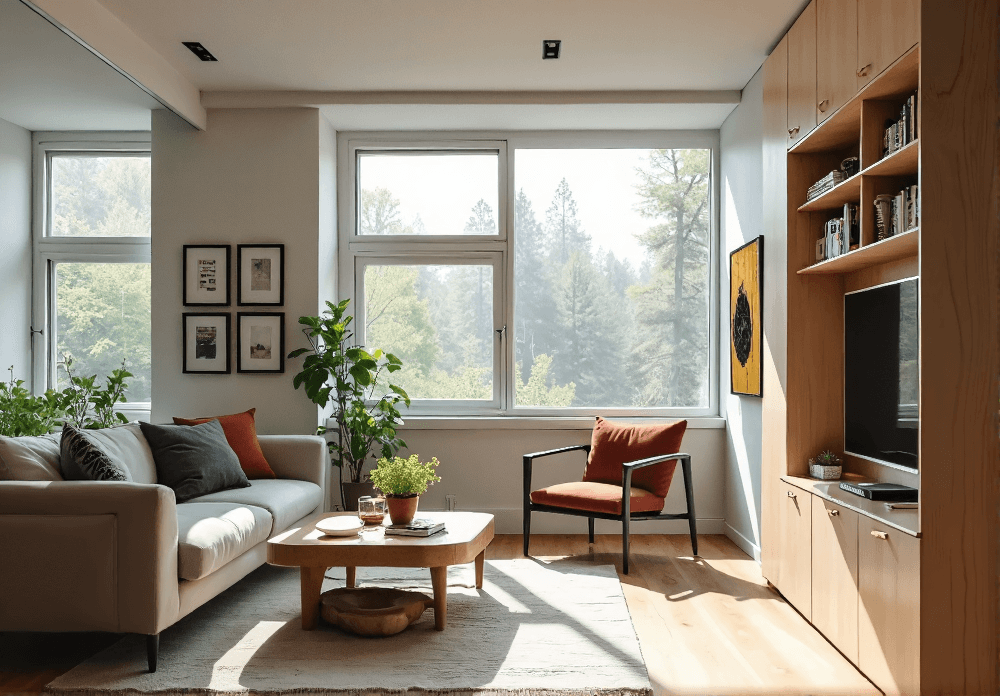
The rise of minimalist living will further drive innovation in space-saving furniture and smart storage solutions. As more people adopt minimalist principles, demand will grow for adaptable, multi-purpose designs like modular sofas and hidden storage compartments. These innovations will maximize functionality without compromising style or comfort. When combined with smart technology, minimalist design can create aesthetically pleasing homes that support a simplified, intentional lifestyle. This trend underscores how technology and design can collaborate to address both practical and emotional needs in modern living spaces.
Conclusion: Embrace the Future of Organized Living
Embracing smart home organization represents a significant lifestyle shift, moving beyond a fleeting trend to prioritize efficiency, sustainability, and personalized comfort. It’s about crafting a home that proactively anticipates needs and adapts to an evolving lifestyle. Through the integration of innovative solutions – from smart storage and space-saving furniture to decluttering technologies – we can curate spaces that are meticulously organized and deeply reflective of individual aspirations and values. This empowers us to reclaim valuable time and mental energy, freeing ourselves from the constant cycle of tidying and allowing focus on more meaningful pursuits.
Still, the growing appeal of smart home organization is demonstrably supported by recent data. A 2024 survey by the Smart Home Association revealed that 75% of homeowners believe smart home technology significantly improves their quality of life, with organization and efficiency consistently cited as key benefits. This underscores the increasing recognition of these technologies as a valuable investment, not just in convenience, but in overall well-being. Furthermore, integrating these systems actively promotes a more sustainable lifestyle through features like AI-powered decluttering apps that connect users with donation and recycling centers, minimizing waste and encouraging responsible consumption.
Smart storage systems also contribute to sustainability by optimizing space utilization, potentially reducing the need for larger homes and lessening our environmental footprint. The future of smart home organization hinges on seamless integration and increasingly personalized experiences. Imagine a home where lighting, temperature, and music adjust automatically to preferences, extending to organization with AI systems learning habits and anticipating needs. Virtual and augmented reality tools will further revolutionize the process, allowing visualization of furniture arrangements and decluttering scenarios before physical changes are made.
As we move towards 2025 and beyond, the smart home organization revolution will continue to gain momentum, fundamentally transforming our relationship with our belongings and living spaces. By embracing these innovations, we can create homes that are not only aesthetically pleasing but also intelligently designed to support our well-being and simplify our lives. This leads to a more harmonious and fulfilling living experience, demonstrating that smart home organization is a tangible reality within reach of modern technology.
Actionable Tips: Getting Started with Smart Home Organization
Ready to embark on your smart home organization journey? Begin with a focused approach, tackling one area at a time, rather than attempting a complete overhaul. Start by assessing your needs and pain points in each space, such as the kitchen, closet, or living room. For example, if your kitchen counters are constantly cluttered, consider implementing smart storage solutions like automated spice racks or pull-out drawers with built-in organizers. This strategic approach makes the process less daunting and more manageable, allowing you to see tangible results quickly, which will motivate you to continue. Remember, small, consistent changes can lead to significant improvements in your home’s overall organization and efficiency. When exploring smart storage solutions, it’s important to consider both your budget and your specific requirements. For instance, if you’re looking to maximize closet space, you might explore smart closet systems with adjustable shelving and automated garment rods that can be controlled via a smartphone app. These systems, while initially an investment, can significantly increase storage capacity and reduce clutter. On the other hand, more budget-friendly options like smart bins with integrated sensors that track inventory and send reminders when you need to restock can also be incredibly effective. The key is to choose solutions that align with your lifestyle and the specific challenges you’re facing. Furthermore, consider the aesthetic impact; smart storage can be both functional and stylish, enhancing your home’s interior design. Space-saving furniture is another cornerstone of effective smart home organization, especially in urban environments where space is often limited. Consider multi-functional pieces like sofa beds with built-in storage or transforming coffee tables that can be raised to dining height. These innovations not only save space but also add versatility to your living area.
For example, a wall-mounted folding desk can provide a dedicated workspace when needed and then seamlessly disappear when not in use. When selecting furniture, prioritize pieces that align with your minimalist living goals and complement your existing interior design. In 2025 and beyond, the trend towards adaptable, space-conscious furniture will only continue to grow as technology and design converge. Furthermore, consider integrating decluttering technology to streamline your home organization efforts. AI-powered organization apps can analyze your belongings, suggest optimal storage solutions, and even connect you with local donation centers. For example, these apps can use image recognition to categorize items and provide recommendations for how to store them most efficiently. These digital tools not only simplify the decluttering process but also encourage a more mindful approach to consumption and organization. Some apps even offer virtual reality previews of how your home will look after decluttering, providing added motivation. The integration of technology makes decluttering less of a chore and more of a data-driven and efficient process. This is a crucial aspect of home automation and its role in achieving a sustainable home. Looking ahead to 2025 trends, personalized experiences will become even more central to smart home organization. Imagine AI-powered systems that learn your daily routines and automatically adjust storage solutions to meet your needs. These systems will not only optimize your space but also adapt to your evolving lifestyle, making home organization a seamless and intuitive process. For example, shelves could automatically adjust their height based on the size of the items you are storing, or closets could proactively suggest outfits based on the weather forecast. The future of smart home organization is about creating environments that are not only efficient but also deeply personalized, reflecting the unique needs and preferences of each individual. Embrace these innovations to transform your home into a truly organized and efficient living space.