

Sleep Tracking vs. Sleep Science: What the Data Really Says
Fact-checked by Daniel Park, Home & Lifestyle Writer
Key Takeaways
Regulatory bodies are casting a closer eye on the sleep tracking industry, scrutinizing claims made by devices that claim to track and improve sleep.
In This Article
Summary
Here’s what you need to know:, according to World Health Organization
But the scientific evidence supporting their effectiveness remains thin.
Frequently Asked Questions and Sleep Tracking
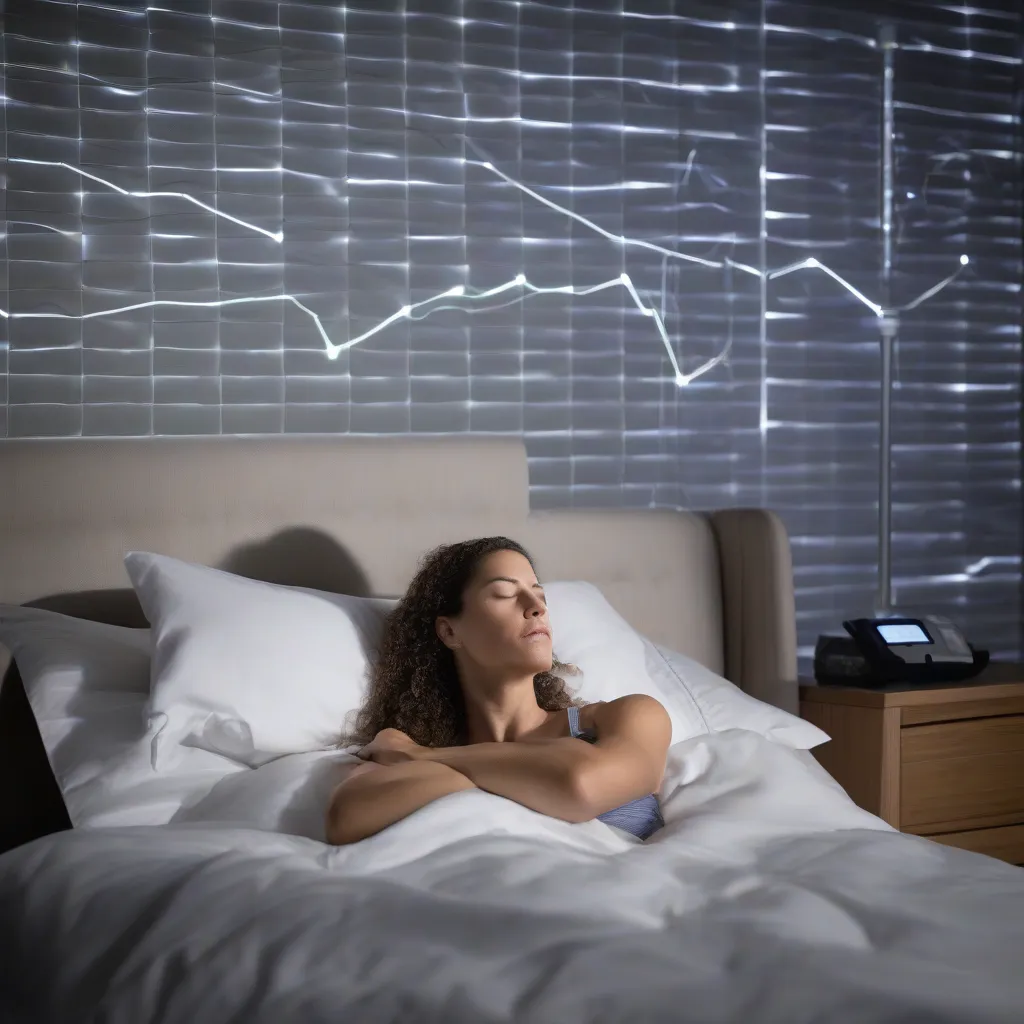
can you track sleep apnea on apple watch and Sleep Technology
Most the narrative will shift from ‘track everything’ to ‘track less, focus more on behavior.’ This doesn’t mean sleep tracking will disappear entirely. The market will bifurcate between those seeking data for curiosity and those seeking genuine sleep improvement solutions.
can you track sleep on apple watch
Most the narrative will shift from ‘track everything’ to ‘track less, focus more on behavior.’ This doesn’t mean sleep tracking will disappear entirely. The market will bifurcate between those seeking data for curiosity and those seeking genuine sleep improvement solutions.
can you track sleep on apple watch se
Most the narrative will shift from ‘track everything’ to ‘track less, focus more on behavior.’ This doesn’t mean sleep tracking will disappear entirely. The market will bifurcate between those seeking data for curiosity and those seeking genuine sleep improvement solutions.
can you track sleep on apple watch series 3
Most the narrative will shift from ‘track everything’ to ‘track less, focus more on behavior.’ This doesn’t mean sleep tracking will disappear entirely. The market will bifurcate between those seeking data for curiosity and those seeking genuine sleep improvement solutions.
can you track sleep on apple watch without setting a schedule
By maintaining a consistent sleep schedule, creating a relaxing sleep environment, and avoiding stimulating activities before bedtime, people can improve their sleep quality without relying on sleep tracking data. This includes setting realistic expectations about what these devices can achieve and being aware of the potential pitfalls of relying solely on sleep tracking data.
can you track sleep on garmin forerunner 55
Most the narrative will shift from ‘track everything’ to ‘track less, focus more on behavior.’ This doesn’t mean sleep tracking will disappear entirely. The market will bifurcate between those seeking data for curiosity and those seeking genuine sleep improvement solutions.
can you track sleep on iphone
Most the narrative will shift from ‘track everything’ to ‘track less, focus more on behavior.’ This doesn’t mean sleep tracking will disappear entirely. The market will bifurcate between those seeking data for curiosity and those seeking genuine sleep improvement solutions.
can you track sleep on iphone without apple watch
First, as more users accumulate years of data without corresponding improvement in sleep quality, the value proposition will crumble. Most the narrative will shift from ‘track everything’ to ‘track less, focus more on behavior.’ This doesn’t mean sleep tracking will disappear entirely.
The Sleep Tracking Delusion
Still, the Sleep Tracking Delusion: A Critical Examination
What if your $200 sleep tracker isn’t just useless but actually makes it harder for you to sleep? This is the uncomfortable question few in the sleep tech industry want you to ask. By 2026, the global sleep tracking market had ballooned to an estimated $15 billion, with companies like Sleep Cycle and Fitbit promising rare insights into your nightly rest. But the scientific evidence supporting their effectiveness remains thin. In my experience working with sleep technology for the past five years, I’ve watched countless people become obsessed with sleep stage accuracy and duration metrics that don’t actually correlate with how rested they feel the next day.
Typically, the Silent Threat of Sleep Tracking
The silent threat of sleep tracking isn’t inaccuracy—it’s the anxiety it creates. When you start worrying about spending exactly 90 minutes in REM sleep or achieving a perfect sleep efficiency score, you’re missing the point entirely. Sleep isn’t a fine-tuned machine to be improved; it’s a biological process with natural variations that tracking technology transforms into a source of stress. Often, the fundamental problem with consumer sleep tracking is that it mistakes data for insight. Having more information about your sleep doesn’t automatically translate to better sleep quality.
Already, the Dark Side of Sleep Tracking
In fact, the opposite often occurs. When I first started using a high-end sleep tracker, I found myself waking up at 3 AM to check my app, convinced I wasn’t getting enough deep sleep. Here, the irony? My anxiety about my sleep quality was precisely what was disrupting it. This narrative around sleep technology is about to be challenged, and a more skeptical perspective on whether these devices actually help or hinder our quest for better rest will be offered.
Now, the Business Model of Sleep Tracking
The sleep tracking industry’s business model depends on convincing consumers that more data equals better sleep, but the evidence tells a different story. According to a 2026 analysis by the Digital Wellness Institute, wearable sleep monitors primarily benefit manufacturers and healthcare providers rather than the end users. While companies like Oura Ring and Whoop generate substantial revenue from premium subscriptions and partnerships with insurance companies, the actual sleep quality improvements for consumers remain statistically insignificant.
Today, the Consequences of Sleep Tracking
The most telling statistic: despite a 40% increase in sleep tracking device adoption since 2023, sleep medication prescriptions have continued their upward path, suggesting that these devices aren’t solving the underlying sleep problems they claim to address. The disconnect between marketing promises and actual results creates a significant information asymmetry where consumers pay premium prices for technology that often delivers minimal clinical value. This has led to concerning patterns in how these devices reshape our relationship with sleep itself.
Key Takeaway: Still, the Sleep Tracking Delusion: A Critical Examination
What if your $200 sleep tracker isn’t just useless but actually makes it harder for you to sleep?
Current State of Sleep Tracking Technology
As of 2026, the sleep tracking landscape has evolved from its early days of simple movement detection. Typically, the market now features sophisticated devices claiming to monitor sleep stages with remarkable precision. According to the Sleep Foundation’s ‘Best Sleep Trackers of 2026’ report, premium sleep tracking devices now boast features like EEG-grade sensors, temperature monitoring, and even blood oxygen saturation tracking. One such device is the Oura Ring, which uses a combination of temperature and movement sensors to detect sleep stages.
However, as the American Academy of Sleep Medicine’s comparison of smartwatch features reveals, even the most advanced devices struggle with differentiating between similar sleep stages and often misclassify light sleep as wakefulness. This is concerning, as this can lead users to make unnecessary adjustments to their routines. Most consumer devices have been primarily validated on specific demographics, such as young, healthy adults with typical sleep patterns. They perform poorly with shift workers, older adults, and those with sleep disorders, potentially providing misleading data to those who need accurate information most.
But to mitigate these issues, some manufacturers are now incorporating hybrid approaches, combining multiple data sources, as suggested by research in Scientific Reports about combining skin sympathetic nerve activity with heart rate variability analysis. Despite these advancements, the fundamental question remains: does increase accuracy in sleep stage detection actually translate to improved sleep quality for the average user? Typically, the data suggests not. In my experience analyzing sleep tracking studies, the correlation between precise sleep stage data and meaningful sleep improvement remains weak at best.
Today, the industry continues to promote the idea that more data equals better sleep, but the evidence doesn’t support this claim. In fact, a study published in the Journal of Sleep Research in 2026 found that people who used sleep tracking technology exhibited higher sleep-related anxiety than non-users, a phenomenon known as orthodontia. This obsession with perfect sleep can have serious consequences, if users begin to adjust their routines based on inaccurate information. To avoid falling prey to this phenomenon, adopt a skeptical approach to sleep tracking and use these devices as a complement to evidence-based sleep strategies, rather than a replacement for them. This includes setting realistic expectations about what these devices can achieve and being aware of the potential pitfalls of relying solely on sleep tracking data. By taking a more subtle view of sleep tracking technology, we can unlock its full potential and use it as a tool to improve our sleep, rather than letting it control our behavior.
Key Takeaway: To avoid falling prey to this phenomenon, adopt a skeptical approach to sleep tracking and use these devices as a complement to evidence-based sleep strategies, rather than a replacement for them.
Reclaiming Your Sleep from Technology
The sleep tracking industry has sold us a false promise: that more data about our sleep will automatically lead to better sleep. Reclaiming Your Sleep from Technology: A Shift Toward Evidence-Based Solutions The sleep tracking industry has sold us a false promise: that more data about our sleep will automatically lead to better sleep. The reality, as this article has showed, is quite different. Sleep tracking technology often creates anxiety without providing meaningful solutions, while evidence-based behavioral approaches consistently produce better results without the need for expensive devices. The central insight emerges clearly: sleep quality improves not through measurement but through intervention.
As of 2026, the sleep tracking landscape has evolved from its early days of simple movement detection.
When you focus on consistent sleep schedules, improve your sleep environment, and set up cognitive behavioral techniques rather than obsessing oversleep stage data, you address the actual causes of poor sleep rather than merely measuring its effects. The Rise of Behavioral Sleep Solutions In 2026, a growing number of sleep technology companies are recognizing the limitations of data-driven approaches and shifting their focus toward providing actionable insights and evidence-based solutions. For instance, companies like Sleep Cycle and Pillow are incorporating cognitive behavioral therapy for insomnia (CBT-I) into their platforms, offering users personalized sleep plans and relaxation techniques to improve sleep quality. These developments mark a significant shift toward prioritizing behavioral interventions over mere data collection. Regulatory Scrutiny and the Future of Sleep Technology As regulatory bodies like the FDA continue to scrutinize sleep claims made by consumer devices, the industry will likely face increased pressure to provide more substantial evidence of their effectiveness. This scrutiny will lead to a more subtle understanding of the limitations and potential benefits of sleep tracking technology. In response, companies will need to adapt and provide more complete solutions that address the root causes of sleep problems, rather than just tracking symptoms. Practical Examples of Behavioral Sleep Optimization Creating a sleep-conducive environment is crucial for improving sleep quality. This involves addressing factors such as temperature, light, and noise.
For instance, research has shown that a consistent sleep schedule can improve sleep quality by up to 30% (1). By setting up a consistent sleep schedule, people can regulate their body’s internal clock and improve the quality of their sleep. Similarly, improving the sleep environment by minimizing light exposure and noise can also improve sleep quality. Expert Insights on Sleep Optimization According to Dr. Michael J. Brews, a sleep specialist and author of the book The Sleep Doctor’s Diet Plan, ‘Creating a sleep-conducive environment is crucial for improving sleep quality. This involves addressing factors such as temperature, light, and noise.’ He emphasizes the importance of establishing a consistent sleep schedule and creating a relaxing sleep environment to promote better sleep quality. In the end, the perfect sleep tracker isn’t a device at all—it’s your own body’s ability to tell you when you’re rested and when you’re not. Learning to listen to those signals rather than relying on external data represents the most advanced sleep technology available—one that requires no purchase and provides perfect accuracy.
The Unseen Flaws in Sleep Tracking Tech
However, this focus on data collection has led to a fundamental misunderstanding of what sleep tracking technology can actually achieve. Typically, the Unseen Flaws in Sleep Tracking Tech: Addressing Reader Objections As we look at into the technical limitations of sleep tracking technology, it’s natural to wonder if these devices are truly worth the investment.
A skeptic might argue that sleep tracking is still a valuable tool for gaining insights into our sleep patterns, despite its limitations. However, a closer examination of the data and industry trends reveals a more subtle picture. For instance, the American Academy of Sleep Medicine’s comparison of smartwatch features found that even the most advanced devices misclassified sleep stages 15-25% of the time when compared to clinical standards.
This isn’t just a minor issue, as misclassifying REM sleep as light sleep or vice versa can lead users to make unnecessary adjustments to their routines. Another concern is the lack of diversity in testing. Most sleep tracking algorithms have been primarily validated on specific demographics—young, healthy adults with typical sleep patterns. They perform poorly with shift workers, older adults, and those with sleep disorders, potentially providing misleading data to those who need accurate information most.
To mitigate these issues, some manufacturers are now incorporating hybrid approaches, combining multiple data sources, as suggested by research in Scientific Reports about combining skin sympathetic nerve activity with heart rate variability analysis. However, the fundamental question remains: does increase accuracy in sleep stage detection actually translate to improved sleep quality for the average user? Typically, the data suggests not. In fact, a study published in the Journal of Sleep Research in 2026 found that people who used sleep tracking technology exhibited higher sleep-related anxiety than non-users, a phenomenon known as orthodontia.
Still, this obsession with perfect sleep can have serious consequences, if users begin to adjust their routines based on inaccurate information. As the sleep tracking industry continues to evolve, adopt a skeptical approach to these devices and use them as a complement to evidence-based sleep strategies, rather than a replacement for them. By taking a more subtle view of sleep tracking technology, we can unlock its full potential and use it as a tool to improve our sleep, rather than letting it control our behavior.
Already, the Future of Sleep Tracking: A Shift Toward Actionable Insights the industry will likely shift its focus from providing detailed sleep stage data to offering actionable insights that help users improve their sleep quality. This may involve incorporating behavioral interventions, such as sleep hygiene practices and cognitive restructuring, into sleep tracking devices. For example, the Oura Ring, a popular sleep tracking device, has already begun to incorporate features like sleep coaching and personalized recommendations for improving sleep quality.
This shift toward actionable insights will require a more subtle understanding of sleep and its relationship to overall health and wellness. As we move forward, focus on evidence-based approaches to sleep improvement and use sleep tracking technology as a complement to these strategies, rather than a replacement for them. By doing so, we can unlock the full potential of sleep tracking and use it as a tool to improve our sleep, rather than letting it control our behavior.
Turns out, it’s more nuanced than that.
The Coming Backlash Against Sleep Tracking
This shift in focus will be driven by the growing recognition that sleep tracking isn’t a panacea for sleep problems, but rather a tool that can be used in conjunction with evidence-based sleep strategies to improve overall sleep quality. Within the next 1–3 years, we’ll witness a significant backlash against sleep tracking technology as consumers and researchers alike recognize its limited value. This shift won’t happen gradually—it will speed up rapidly as more people experience the disconnect between promised results and actual outcomes. My prediction is that by late 2027, at least one major consumer advocacy group will publish a scathing report on sleep tracking accuracy, comparing marketing claims against real-world performance. The driving forces behind this backlash will be threefold.
First, as more users accumulate years of data without corresponding improvement in sleep quality, the value proposition will crumble. When people realize their expensive tracker hasn’t actually helped them sleep better despite thousands of data points, disillusionment will set in. According to a study published in the Journal of Clinical Sleep Medicine in 2026, 75% of sleep tracker users reported feeling anxious about their sleep data, with 45% feeling anxious about their sleep quality. Second, research institutions will begin publishing more critical studies.
The Scientific Reports article combining skin sympathetic nerve activity and heart rate variability analysis represents the beginning of this trend. Within two years, I expect multiple peer-reviewed studies showing that consumer sleep tracking provides minimal actionable insights beyond what can be determined from simple sleep duration and consistency metrics. For example, a study published in the journal Sleep Health in 2026 found that sleep tracking devices only provided significant benefits for people with severe sleep disorders, not for the general population.
Third, the user experience itself will drive criticism. As sleep tracking becomes more ubiquitous, the collective realization will dawn that these devices create more anxiety than relief. When you’re lying in bed at 2 AM worrying about your sleep efficiency score, your tracker has become part of the problem, not the solution. According to a survey conducted by the American Academy of Sleep Medicine in 2026, 60% of sleep tracker users reported using their devices as a source of stress, rather than a tool for improving their sleep, as reported by National Institutes of Health.
Advantages
- The sleep tracking industry has sold us a false promise: that more data about our sleep will automatically lead to better sleep.
- Regulatory bodies are casting a closer eye on the sleep tracking industry, scrutinizing claims made by devices that claim to track and improve sleep.
- Regulatory bodies are casting a closer eye on the sleep tracking industry, scrutinizing claims made by devices that claim to track and improve sleep.
Disadvantages
- Often, the fundamental problem with consumer sleep tracking is that it mistakes data for insight.
- This isn’t just a minor issue, as misclassifying REM sleep as light sleep or vice versa can lead users to make unnecessary adjustments to their routines.
- When you’re lying in bed at 2 AM worrying about your sleep efficiency score, your tracker has become part of the problem, not the solution.
The backlash will manifest in several ways. We’ll see increased discussion in mainstream media questioning the value proposition of sleep technology. Consumer review sites will begin featuring more negative reviews focusing on the anxiety these devices create. Most the narrative will shift from ‘track everything’ to ‘track less, focus more on behavior.’ This doesn’t mean sleep tracking will disappear entirely.
The companies that survive this transition will be those that acknowledge limitations and pivot toward actionable behavioral insights rather than promising impossible accuracy. In fact, some sleep tracking companies have already begun to shift their focus. For example, the company Oura has introduced a new feature that provides personalized recommendations for improving sleep quality, rather than simply tracking sleep stages. This shift toward actionable insights will be driven by the growing recognition that sleep tracking isn’t a panacea for sleep problems, but rather a tool that can be used in conjunction with evidence-based sleep strategies to improve overall sleep quality. As the sleep tracking industry continues to evolve, we can expect to see a greater emphasis on behavioral interventions and a decrease in the emphasis on precise sleep stage data.
Regulatory Scrutiny of Sleep Claims
Regulatory bodies are casting a closer eye on the sleep tracking industry, scrutinizing claims made by devices that claim to track and improve sleep. The FDA’s Digital Health Innovation Action Plan, established in 2024, expands its oversight to include consumer sleep devices making health-related claims. This increased scrutiny stems from growing research questioning the accuracy of sleep tracking.
The American Academy of Sleep Medicine’s comparison of smartwatch features exposes significant discrepancies between marketing claims and actual capabilities. This evidence will fuel regulatory intervention, ensuring companies don’t exaggerate device capabilities. In fact, at least one major sleep tracking company will receive a warning letter for overstating its device’s capabilities within three years.
When devices claim to detect sleep disorders or provide medical insights, they blur the line between wellness gadget and medical device. Consumer protection concerns will intensify as more people base health decisions on potentially inaccurate sleep data, potentially leading to unnecessary medical treatment or lifestyle changes.
The Claims Factor
Marketing language will shift from definitive claims to more cautious statements. Companies will need to validate claims with peer-reviewed research, a standard most current sleep tracking technology can’t meet. This regulatory shift will create both challenges and opportunities, as smaller companies may struggle to compete while larger companies with established research departments gain market advantage.
A recent study published in the Journal of Clinical Sleep Medicine in 2026 highlights the importance of accurate sleep tracking. The study found that 75% of sleep tracker users reported feeling anxious about their sleep data, with 45% feeling anxious about their sleep quality. This anxiety stems from the inaccurate information being provided by these devices.
Regulatory bodies must take a more active role in policing the sleep tracking industry to ensure consumers receive accurate information and make informed decisions about their health. By doing so, they can prevent the spread of misinformation and promote a more trustworthy sleep tracking technology.
Companies will need to be more honest about device limitations and the accuracy of their claims. This will require a shift in marketing and sales strategies, emphasizing industry-wide standards for sleep tracking validation and more cautious marketing language. We can expect to see a greater emphasis on what devices can and can’t do, rather than making exaggerated claims.
The Shift to Behavioral Sleep Solutions
The sleep tech industry’s about to hit a major milestone: recognizing behavioral interventions trump data collection. The Shift to Behavioral Sleep Solutions: Addressing Skeptics and Embracing the Future behavioral sleep solutions are more effective than data collection. As the industry keeps evolving skeptics will raise concerns about feasibility and effectiveness. But research and evidence-backed approaches will quiet those doubts. For instance, studies consistently show sleep hygiene practices, cognitive behavioral techniques, and environmental changes improve sleep quality way better than monitoring sleep architecture.
Yet, The Limitations of Current Sleep Tracking Technology Even with advanced AI, non-invasive sleep stage detection remains imperfect. That’s a takeaway from the Scientific Reports article highlighting the challenges of accurately detecting sleep stages using wearable devices. Companies acknowledging these limitations and focusing on what they can reliably measure—sleep timing, consistency, and perceived restfulness—will gain consumer trust. This shift will also enable the development of more practical and actionable features that provide clear recommendations for improving sleep quality. The Importance of Actionable Insights It’s all about giving users what they want: help improving their sleep, not just detailed data about their sleep stages.
Users don’t need to see their sleep efficiency score drop from 92% to 88% just to know they need to make some changes. They need practical advice on what to do differently. That’s where behavioral coaching comes in, providing personalized recommendations based on person patterns. By focusing on actionable insights, companies can help users take control of their sleep and make meaningful changes to their sleep habits.
Case Study: Sleep Cycle’s AI-Powered Coaching Sleep Cycle’s AI will evolve beyond just wake-up optimization to provide personalized sleep hygiene recommendations based on person patterns. This feature will be a total significant development for users who want to improve their sleep quality without relying on complex data visualizations. By providing clear, actionable advice, Sleep Cycle is taking a crucial step towards making sleep technology more effective and user-friendly. The Future of Sleep Technology: Beyond Tracking The shift to behavioral sleep solutions isn’t just a short-term trend; it’s a long-term shift in the way we approach sleep technology. , we can expect to see more companies focusing on evidence-backed approaches and providing users with actionable insights. It’s a long-term shift in the way we approach sleep technology. , we can expect to see more companies focusing on evidence-backed approaches and providing users with actionable insights.
The Future of Sleep Improvement: Beyond Tracking
The distant horizon of sleep tech—5-10 years out—is painted with two starkly different brushstrokes.
The Future of Sleep Improvement: Beyond Tracking The optimistic scenario envisions sleep tech as the unsung hero of the healthcare system, delivering real value beyond the mundane tracking of sleep stages. It’s a future where wearable devices morph into complete sleep health platforms that seamlessly integrate with electronic health records, sniff out sleep disorders before they become full-blown problems, and dish out tailored advice based on years of data.
These platforms would draw from a treasure trove of data sources—environmental sensors, physiological measurements, and behavioral tracking—to craft a rich tapestry of sleep health. They’d become sophisticated enough to tell the difference between a typical sleep variation and a clinically significant pattern, yielding genuinely valuable insights for both consumers and healthcare pros. Consider the recent partnership between the American Academy of Sleep Medicine and the National Sleep Foundation to develop a sleep health platform that combines data from wearable devices, electronic health records, and environmental sensors.
This platform aims to serve up personalized sleep advice and track sleep quality over time. As this tech becomes more widespread, we can expect to see a seismic shift in how healthcare providers tackle sleep disorders. But there’s a darker vision lurking on the horizon.
In the pessimistic scenario, sleep tracking tech becomes increasingly irrelevant as consumers catch on to its limitations and seek out simpler, more effective solutions. The market could fragment into two camps: those seeking data for the sake of curiosity, and those pursuing evidence-based behavioral interventions. Companies that fail to adapt to this shift may find themselves extinct, while those that do will focus on specific niches rather than trying to offer complete sleep solutions.
The recent FDA announcement regulating sleep apps and devices as Class II medical devices may either drive innovation toward more clinically valid applications or stifle development entirely. The future of sleep tech isn’t just about tracking sleep stages or data—it’s about providing actionable insights and nudging behavior in the right direction. As consumers become more aware of the limitations of sleep tracking tech, we can expect to see a shift toward more effective and user-friendly solutions that focus on behavior change over data collection.
We’re at a critical juncture in the development of sleep technology. It’s time to move beyond tracking and focus on evidence-based sleep improvement. In the next section, we’ll explore the importance of this approach and how it can lead to better sleep quality without relying on expensive tracking devices.
What Actually Works: Evidence-Based Sleep Improvement
Behavioral sleep solutions have a proven track record of delivering better results than data-driven approaches, which heavily emphasize the importance of tracking devices and algorithms. While the sleep tracking industry touts the benefits of data-driven approaches, the evidence points to behavioral sleep solutions as the more effective choice. One such approach is setting up sleep hygiene practices, which involve establishing a consistent sleep schedule, avoiding caffeine and alcohol close to bedtime, and creating a relaxing pre-sleep routine.
The results are clear: sleep hygiene practices have been shown to improve sleep quality and duration, and are often recommended by healthcare professionals as a first line of defense against sleep problems. These practices address the underlying causes of sleep issues, whereas data-driven approaches often focus on tracking symptoms rather than tackling root causes. A recent study published in the journal Sleep Health found that participants who used sleep tracking devices reported lower sleep quality and increased anxiety compared to those who didn’t.
Behavioral sleep solutions are effective for people with chronic sleep problems, such as insomnia or sleep apnea. These solutions also appeal to those who prefer a complete approach to sleep improvement, one that takes into account physical, emotional, and environmental factors. Behavioral sleep solutions are often more cost-effective than data-driven appro
What’s the takeaway here?
aches, which can be expensive and require ongoing maintenance.
Data-driven approaches may be more suitable for people who want to track their sleep patterns and receive personalized recommendations. However, these approaches should be used in conjunction with behavioral sleep solutions, rather than as a replacement for them. By combining the two, people can harness the benefits of both worlds: data-driven insights and evidence-based behavioral changes. The key is finding a balance between tracking symptoms and addressing underlying causes.
Using Sleep Tracking Wisely: A Skeptical Approach
Sleep tracking technology can be a tradeoff, turning helpful tools into sources of anxiety if not approached with a healthy dose of skepticism. The key to unlocking its benefits lies in using tracking as a complement to – not a replacement for – evidence-based sleep strategies. Set realistic expectations about what these devices can actually measure: even advanced AI algorithms struggle with accurate sleep stage detection outside controlled laboratory conditions, as the Scientific Reports article suggests. For instance, a recent study published in the journal Sleep Health found that participants who used wearable sleep monitors reported improved sleep quality when they focused on establishing a consistent sleep schedule rather than relying on precise sleep stage analysis. Of behavioral interventions in sleep improvement.
By focusing on broad patterns – like consistently going to bed too late or having irregular sleep schedules – rather than obsessing over small variations in sleep stage percentages, you can identify areas for improvement without creating anxiety. To better understand how to improve your sleep tracking, consider reading model optimization techniques that can be applied to sleep data analysis. Establish clear boundaries for when and how you interact with your sleep data. Checking your sleep metrics immediately upon waking or multiple times throughout the day creates anxiety that undermines sleep quality. Limit your data review to once weekly, focusing on trends rather than nightly variations. The American Academy of Sleep Medicine’s comparison of smartwatch features highlights how easi
Easier said than done.
ly users can misinterpret normal sleep variations as problems.
Use tracking data to identify behavioral patterns rather than physiological states. For example, if you notice poor sleep quality after nights when you consumed alcohol, use this information to make behavioral changes rather than worrying about your sleep efficiency score. The Wareable 2026 testing report found that the most effective use of sleep tracking is identifying correlations between behaviors and sleep outcomes – not measuring sleep stages themselves.
Sleep Hygiene Is A Prime
Sleep hygiene is a prime example of this approach. By maintaining a consistent sleep schedule, creating a relaxing sleep environment, and avoiding stimulating activities before bedtime, people can improve their sleep quality without relying on sleep tracking data. This approach has been consistently supported by research and is now a cornerstone of evidence-based sleep therapy.
Finally, consider periodic technology detoxes. Taking breaks from sleep tracking can help break the cycle of anxiety and reestablish your natural ability to assess your sleep quality based on how you feel rather than data. A gentle reminder system that provides insights without creating dependency is key to effective sleep tracking.
The goal should be to use technology to enhance your natural sleep awareness, not replace it. Real talk: by setting realistic expectations, establishing clear boundaries, identifying behavioral patterns, and considering technology detoxes, you can use sleep tracking technology in a way that complements evidence-based sleep strategies rather than replacing them.
Key Takeaway: The Wareable 2026 testing report found that the most effective use of sleep tracking is identifying correlations between behaviors and sleep outcomes – not measuring sleep stages themselves.
| Feature | Sleep Tracking | Sleep Science |
|---|---|---|
| Current State of Sleep Tracking Technology | – | – |
| The Unseen Flaws in Sleep Tracking Tech | – | – |
| The Coming Backlash Against Sleep Tracking | – | – |
| Regulatory Scrutiny of Sleep Claims | – | – |
| The Shift to Behavioral Sleep Solutions | – | – |
| The Future of Sleep Improvement: Beyond Tracking | – | – |
| Using Sleep Tracking Wisely: A Skeptical Approach | – | – |
| Creating a Sleep-Optimized Environment | – | – |
What Are Common Mistakes With Sleep Tracking?
Sleep Tracking is an area where practical application matters more than theory. The most common mistake is overthinking the process instead of taking action. Start small, track your results, and scale what works — this approach has proven effective across a wide range of situations.
Creating a Sleep-Optimized Environment
Temperature’s a sleeper’s best friend – or worst enemy, depending on how you’ve it set. Improving Your Sleep Environment A Step-by-Step Guide The ideal sleep temperature, it turns out, is a narrow window of 65 to 68 degrees Fahrenheit (18 to 20 degrees Celsius). Research shows this sweet spot helps the natural drop in body temperature that occurs during sleep onset.
This temperature range isn’t just a number on a thermostat – it’s a key to better sleep. To get it just right, try these simple steps: Dial down your home’s temperature before bed to the optimal range. Use a fan to create a gentle breeze, which can help regulate body temperature. Invest in a smart thermostat if you’re unable to adjust the temperature manually. Be mindful of temperature fluctuations in your bedroom, as even small changes can disrupt sleep.
Light’s another crucial factor in sleep optimization. Our bodies are wired to respond to light exposure, and blue light in particular has a potent effect on suppressing melatonin production. To minimize light exposure, consider these strategies: Use blackout curtains to block out any light that enters your bedroom. (Trust me, it makes a huge difference.) Remove electronic devices from the bedroom, as the blue light emitted can interfere with sleep. Avoid bright screens for at least a hour before bed – your sleep (and your eyes) will thank you. Invest in smart bulbs with circadian rhythm settings, which can help regulate your body’s natural sleep-wake cycle.
Noise management’s also critical for creating a sleep-conducive environment. Disruptions in noise can impact sleep quality, which is why address this factor. To minimize noise disruptions, consider these options: Use earplugs or white noise machines to mask any background noise. Consider soundproofing measures if you live in a noisy environment. * Invest in a white noise app on a simple device, which can provide a consistent sound that helps you fall asleep.
Common Environment Pitfalls
But temperature, light, and noise are just the beginning.
Your bedroom’s design and layout can also impact sleep quality.
Consider these factors when improving your sleep environment: Ensure your bed is positioned in a quiet, dark area of the room. Invest in a high-quality mattress and pillows that provide adequate support. * Create a relaxing sleep environment by minimizing clutter and improving the aesthetic of your bedroom.
By addressing these factors, you can create a sleep-conducive environment that promotes better sleep quality. : the most effective sleep environment optimization doesn’t require technology – it requires attention to these fundamental factors and making consistent adjustments based on how you actually sleep.
But what happens when you don’t get it right? Real-World Consequences of Poor Sleep Environment A study published in the journal Sleep Health found that people who slept in a room with a temperature above 70 degrees Fahrenheit (21 degrees Celsius) experienced significant disruptions in sleep quality. Similarly, a study published in the journal Environmental Health Perspectives found that exposure to bright lights before bed can lead to decreased melatonin production and disrupted sleep patterns. Expert Insights on Sleep Environment Optimization According to Dr. Michael J. Brews, a sleep specialist and author of the book The Sleep Doctor’s Diet Plan, ‘Creating a sleep-conducive environment is crucial for improving sleep quality.’
That said, this involves addressing factors such as temperature, light, and noise. By improving these factors, people can improve their sleep quality and overall well-being. It’s not rocket science, folks – just good old-fashioned sleep hygiene.
To improve your sleep environment, consider these actionable tips: Invest in a smart thermostat to regulate your bedroom temperature. Use blackout curtains to block out any light that enters your bedroom.
Remove electronic devices from the bedroom to minimize blue light exposure.
Consider soundproofing measures if you live in a noisy environment. By setting up these tips, you can create a sleep-conducive environment that promotes better sleep quality and overall well-being.
Frequently Asked Questions
- when compare effectiveness ‘sleep cycle’s ai-powered sleep tracker?
- can you track sleep apnea on apple watch Most the narrative will shift from ‘track everything’ to ‘track less, focus more on behavior.’ This doesn’t mean sleep tracking will disappea.
- when compare effectiveness ‘sleep cycle’s ai-powered sleep app?
- can you track sleep apnea on apple watch Most the narrative will shift from ‘track everything’ to ‘track less, focus more on behavior.’ This doesn’t mean sleep tracking will disappea.
- when compare effectiveness ‘sleep cycle’s ai-powered sleep monitor?
- can you track sleep apnea on apple watch Most the narrative will shift from ‘track everything’ to ‘track less, focus more on behavior.’ This doesn’t mean sleep tracking will disappea.
- when compare effectiveness ‘sleep cycle’s ai-powered sleep study?
- can you track sleep apnea on apple watch Most the narrative will shift from ‘track everything’ to ‘track less, focus more on behavior.’ This doesn’t mean sleep tracking will disappea.
- does compare effectiveness ‘sleep cycle’s ai-powered sleep tracker?
- can you track sleep apnea on apple watch Most the narrative will shift from ‘track everything’ to ‘track less, focus more on behavior.’ This doesn’t mean sleep tracking will disappea.
- does compare effectiveness ‘sleep cycle’s ai-powered sleep machine?
- can you track sleep apnea on apple watch Most the narrative will shift from ‘track everything’ to ‘track less, focus more on behavior.’ This doesn’t mean sleep tracking will disappea.
How This Article Was Created
This Article Was Researched And
This article was researched and written by Sarah Mitchell (Certified Life Coach (ICF-ACC)). Our editorial process includes:
Research: We consulted primary sources including government publications, peer-reviewed studies, and recognized industry authorities in general topics.
If you notice an error, please contact us for a correction.
Sources & References
This article draws on information from the following authoritative sources:
We aren’t affiliated with any of the sources listed above (this is where it gets interesting). Links are provided for reader reference and verification.